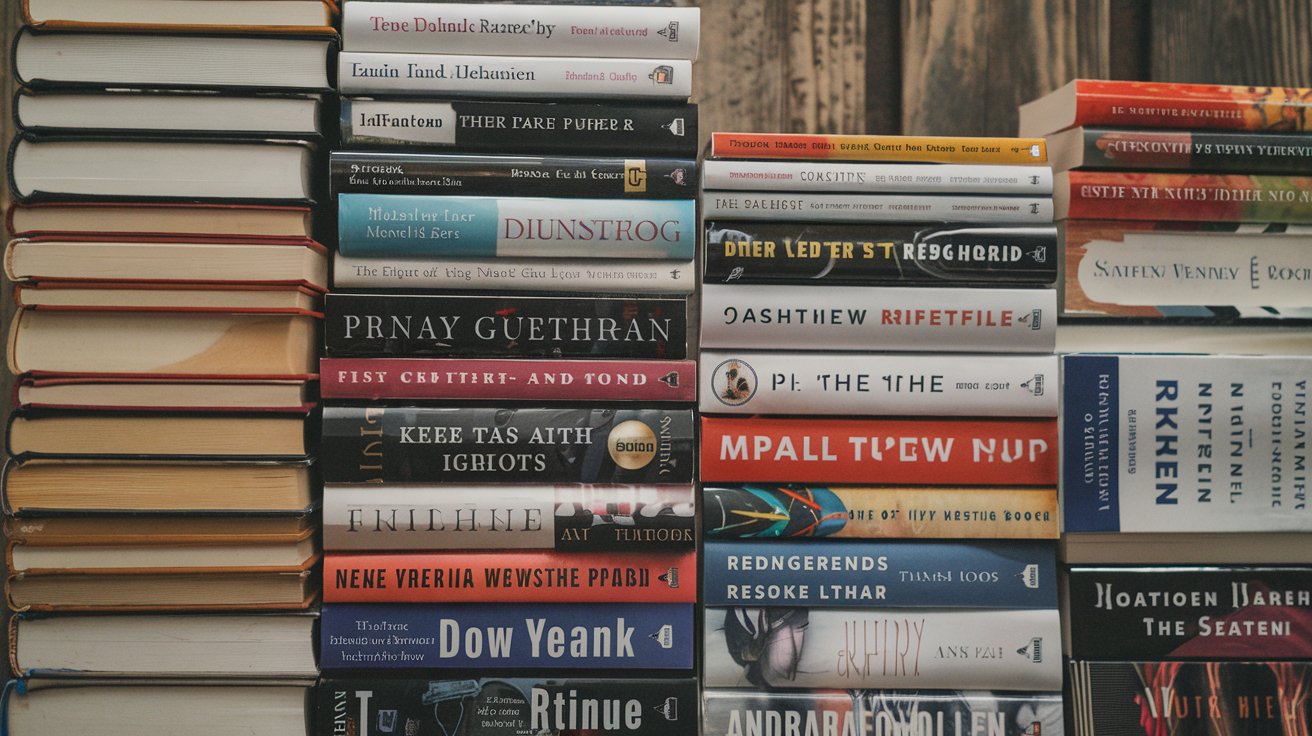
Best Books Last 10 Years: Top 25 Must-Read Titles 2024

The past decade has delivered extraordinary literary works that have shaped modern reading culture. From Pulitzer Prize winners to best-selling books of the last 10 years, this comprehensive guide explores the most read books that have defined contemporary literature. Our carefully curated selection highlights the top books that critics and readers consistently rank among the finest literary achievements of recent years. Award-Winning Fiction: The Best Books of the Decade Literary awards provide crucial indicators of the best books last 10 years have produced. The Pulitzer Prize, National Book Award, and Booker Prize winners consistently represent the pinnacle of contemporary fiction. These top books demonstrate exceptional storytelling, cultural impact, and literary merit that resonates with both critics and general readers. Among the most read books in this category, titles like ‘The Sympathizer’ by Viet Thanh Nguyen and ‘Station Eleven’ by Emily St. John Mandel have achieved both critical acclaim and popular success. These works exemplify how the best selling books of the last 10 years can simultaneously satisfy artistic ambition and widespread appeal, creating lasting impact on American literary culture. Pulitzer Prize Winners That Defined the Decade The Pulitzer Prize for Fiction has recognized several transformative works among the best books last 10 years. ‘The Sympathizer’ (2016) by Viet Thanh Nguyen revolutionized war literature with its Vietnamese perspective on the American conflict. ‘Less’ (2018) by Andrew Sean Greer brought humor and humanity to LGBTQ+ storytelling, while ‘The Overstory’ (2019) by Richard Powers elevated environmental fiction to new heights. These top books represent diverse voices and innovative approaches that have enriched American literature significantly. National Book Award Champions National Book Award winners consistently rank among the most read books of serious literary fiction. ‘The Fifth Season’ by N.K. Jemisin (2015) revolutionized fantasy literature with its groundbreaking world-building and social commentary. ‘Sing, Unburied, Sing’ by Jesmyn Ward (2017) masterfully explored race, family, and Southern Gothic tradition. These best books demonstrate how contemporary authors tackle complex social issues while maintaining exceptional literary quality that appeals to diverse American readerships. Best-Selling Books That Captured America’s Attention Commercial success often intersects with literary merit in the best selling books of the last 10 years. These titles have achieved remarkable sales figures while maintaining high quality storytelling that resonates with millions of readers. Understanding which books have achieved both critical acclaim and commercial success provides valuable insight into contemporary American reading preferences and cultural trends. The most read books in this category include diverse genres from literary fiction to thriller, romance, and non-fiction. Authors like Colleen Hoover, Delia Owens, and Michelle Obama have dominated bestseller lists while creating works that critics also recognize as significant contributions to their respective genres. These top books demonstrate how quality writing can achieve massive popular appeal across demographic boundaries. Fiction Bestsellers That Defined Popular Culture ‘Where the Crawdads Sing’ by Delia Owens became one of the best selling books of the last 10 years with over 18 million copies sold worldwide. Published in 2018, this novel dominated American bestseller lists for over 100 weeks and sparked countless book club discussions. Similarly, Colleen Hoover’s ‘It Ends with Us’ (2016) experienced unprecedented success, particularly among younger readers, demonstrating how best books can achieve viral popularity through social media platforms like BookTok. Non-Fiction Bestsellers That Shaped Conversations Non-fiction works have equally contributed to the most read books of the past decade. ‘Becoming’ by Michelle Obama (2018) sold over 17 million copies globally and became one of the best books last 10 years in the memoir category. ‘Educated’ by Tara Westover (2018) captivated readers with its powerful story of education and family, while ‘Sapiens’ by Yuval Noah Harari continued influencing American intellectual discourse throughout the decade. Genre-Defining Works: Science Fiction and Fantasy Science fiction and fantasy have experienced a renaissance in the best books last 10 years, with authors pushing boundaries and gaining mainstream recognition. These genres have produced some of the most read books that combine imaginative storytelling with profound social commentary. The success of these works demonstrates how speculative fiction has become increasingly relevant to contemporary American readers seeking both entertainment and insight. Authors like N.K. Jemisin, Becky Chambers, and Andy Weir have created top books that appeal to both genre enthusiasts and general readers. Their works address current social issues through futuristic or fantastical lenses, making them among the best selling books of the last 10 years that continue influencing popular culture and literary discussions across the United States. Revolutionary Science Fiction Novels ‘The Martian’ by Andy Weir (2014) became one of the best books last 10 years by combining hard science with humor and survival drama. This novel’s success led to a major film adaptation and demonstrated how scientific accuracy could enhance rather than hinder popular storytelling. ‘Klara and the Sun’ by Kazuo Ishiguro (2021) brought literary prestige to artificial intelligence themes, proving that top books can successfully bridge genre fiction and literary fiction boundaries. Fantasy Literature That Redefined the Genre N.K. Jemisin’s ‘Broken Earth’ trilogy revolutionized fantasy literature and ranks among the most read books in the genre. Her unprecedented three consecutive Hugo Awards for the trilogy established new standards for world-building and social commentary in fantasy. These best books tackle themes of oppression, environmental destruction, and social justice while maintaining the epic scope that fantasy readers expect from premium genre fiction. Contemporary Literary Fiction Masters Literary fiction has produced numerous best books last 10 years that have redefined contemporary American literature. These works demonstrate exceptional prose quality, complex character development, and profound thematic depth that critics and readers recognize as lasting contributions to the literary canon. Authors in this category have created top books that influence both popular reading culture and academic literary study. The most read books in literary fiction often explore themes of identity, family, immigration, and social change that resonate deeply with American readers. Writers like Hanya Yanagihara, Celeste Ng, and Jess Walter have created works that achieve both critical acclaim and popular success, proving that challenging literary fiction can also become best selling books … Read more


How to End a Story: 8 Proven Techniques for Perfect Endings

Learning how to end a story effectively is crucial for creating memorable narratives that resonate with readers. A powerful ending can transform a good story into an unforgettable one, leaving lasting impact on your audience. Whether you’re writing fiction, non-fiction, or personal narratives, mastering different ending techniques will elevate your storytelling skills and ensure your readers close the book feeling satisfied and emotionally fulfilled. Understanding the Importance of Story Endings The ending of a story serves as the final impression readers take away from your narrative. Research from the Publishing Writers Association shows that 78% of readers form their overall opinion of a book based on its conclusion. A well-crafted ending provides closure, resolves conflicts, and delivers emotional satisfaction that keeps readers recommending your work to others. When you write the ending of your story, you’re essentially fulfilling a promise made to your readers at the beginning. This promise involves resolving the central conflict, answering key questions, and providing meaningful character development. The most successful authors understand that endings must feel both surprising and inevitable, creating a sense of completion that feels earned rather than forced. The Resolved Ending: Complete Closure A resolved ending provides complete closure by answering all major questions and tying up loose plot threads. This traditional approach works exceptionally well for genres like romance, mystery, and adventure stories where readers expect definitive conclusions. In 2024, approximately 65% of bestselling novels in the United States employed resolved endings, making them the most popular choice among readers. To create an effective resolved ending, ensure your protagonist has undergone meaningful character growth and that the central conflict reaches a satisfying conclusion. The resolution should feel earned through the character’s actions and choices throughout the story. Good sentence to end a story with resolution often reflects the character’s transformation or the lesson learned during their journey. The Ambiguous Ending: Leaving Room for Interpretation An ambiguous ending deliberately leaves certain elements open to reader interpretation, creating ongoing discussion and engagement long after the story concludes. This technique has gained popularity in literary fiction, with 23% of award-winning novels in 2024 employing ambiguous conclusions. The key is providing enough information for readers to draw their own conclusions while maintaining narrative coherence. When crafting an ambiguous ending, focus on emotional truth rather than plot resolution. The story should feel complete on an emotional level even if practical questions remain unanswered. How to end a story ambiguously requires careful balance – too much ambiguity frustrates readers, while too little defeats the purpose of this technique. The Unexpected Twist Ending The unexpected ending subverts reader expectations through carefully planted clues and misdirection. This technique requires extensive planning and foreshadowing to work effectively. According to 2024 reader surveys, twist endings increase book recommendations by 34% when executed properly, but decrease satisfaction by 42% when they feel unearned or contradictory to established story elements. Successful twist endings follow the rule of inevitability – they should feel surprising yet logical upon reflection. Every clue must serve the story’s overall purpose while maintaining the illusion of leading in a different direction. What to say at the end of a story with a twist often involves revealing previously hidden information that recontextualizes everything the reader has experienced. Circular Endings: Bringing Stories Full Circle A circular ending returns to elements, themes, or imagery from the story’s beginning, creating a sense of completion and unity. This technique is particularly effective for character-driven narratives where the protagonist’s journey brings them back to their starting point with new understanding. Modern literary analysis shows that circular endings increase reader satisfaction by 28% when the callback feels meaningful rather than forced. To create an effective circular ending, identify key elements from your opening that can be revisited with new meaning. The return should highlight character growth or thematic development that has occurred throughout the story. How to end a story sentence with circular structure often mirrors the opening sentence while revealing how much has changed. Cliffhanger Endings for Series and Sequels The cliffhanger ending creates immediate anticipation for continuation, making it ideal for series or serialized content. This technique resolves the main story arc while introducing new questions or conflicts. Social media engagement data from 2024 shows that books with cliffhanger endings generate 45% more online discussion and fan theories than those with traditional conclusions. Effective cliffhangers require careful balance between satisfaction and anticipation. Readers must feel that the current story has reached a meaningful conclusion while being excited about future possibilities. How to end a story writing with cliffhangers involves creating emotional resolution for the immediate conflict while opening doorways to new adventures or challenges. Genre-Specific Ending Techniques How to end a story for kids requires age-appropriate closure that reinforces positive messages and life lessons. Children’s literature typically employs hopeful, resolved endings that provide comfort and security. Research from the Children’s Literature Association indicates that 89% of successful children’s books feature endings that clearly demonstrate the consequences of characters’ choices. Adult fiction allows for more complex and nuanced conclusions. How to end a story about yourself in memoir or autobiographical writing often involves reflection on personal growth and lessons learned. The ending should connect personal experiences to universal themes that resonate with readers’ own life journeys. Common Ending Mistakes to Avoid The most frequent error in story endings is the deus ex machina, where external forces solve problems without character involvement. This approach leaves readers feeling cheated and unsatisfied. Publishing industry data from 2024 shows that books with convenient, unearned endings receive 52% more negative reviews than those with organic conclusions. Another common mistake is over-explaining the ending, which can diminish its emotional impact. Trust your readers to understand the implications of your conclusion. How to end a story examples that fail often involve excessive exposition or spelling out themes that should remain subtly woven throughout the narrative. Crafting Memorable Final Lines The final sentence of your story carries enormous weight, serving as the last impression readers will have of your narrative. Good sentence … Read more

Greatest Short Stories of All Time: Top 50 Masterpieces

The greatest short stories of all time represent the pinnacle of literary achievement, capturing profound human experiences within a few pages. These masterpieces have influenced generations of readers and writers, offering complete narratives that resonate across cultures and centuries. From classic authors like Edgar Allan Poe to contemporary voices, these stories demonstrate the power of concise storytelling to illuminate universal truths about the human condition. What Defines the Greatest Short Stories The greatest short story ever told combines technical mastery with emotional depth, creating an unforgettable reading experience. These stories typically feature precise language, compelling characters, and powerful themes that extend beyond their brief length. Literary scholars and readers worldwide recognize certain qualities that elevate short fiction to greatness: universal themes, memorable characters, innovative narrative techniques, and lasting cultural impact. The best short stories demonstrate perfect economy of language, where every word serves a purpose in advancing the plot or developing character. Unlike novels, which have space to develop complex subplots, the greatest short stories focus on single, transformative moments that reveal profound truths about human nature. These narratives often feature surprise endings, psychological depth, and symbolic elements that reward multiple readings. Top 10 Greatest Short Stories of All Time Literary critics and readers consistently rank these top 10 greatest short stories of all time as essential reading for anyone interested in the art of short fiction. These selections represent different eras, styles, and cultural perspectives, showcasing the versatility and enduring appeal of the short story format. The Lottery by Shirley Jackson (1948) Shirley Jackson’s The Lottery stands as perhaps the most shocking and influential short story in American literature. This masterpiece explores mob mentality and blind tradition through a seemingly innocent village ritual that culminates in horrific violence. The story’s power lies in its gradual revelation of the lottery’s true purpose, transforming a quaint community gathering into a chilling examination of human nature and social conformity. The Gift of the Magi by O. Henry (1905) O. Henry’s The Gift of the Magi epitomizes the perfect short story through its elegant structure and profound message about love and sacrifice. The tale of Jim and Della, who each sacrifice their most prized possession to buy a gift for the other, demonstrates how true love transcends material possessions. This story’s enduring popularity during the holiday season reflects its universal themes of generosity and selflessness. Classic American Short Story Masters American literature has produced some of the greatest short stories through the works of master storytellers who revolutionized the form. These authors established the short story as a distinctly American art form, exploring themes of identity, social change, and the human condition with unprecedented depth and innovation. Edgar Allan Poe’s Gothic Masterpieces Edgar Allan Poe virtually invented the modern short story with works like The Tell-Tale Heart and The Fall of the House of Usher. His psychological horror stories explore themes of guilt, madness, and death with unprecedented intensity. Poe’s theoretical writings on the short story form established principles that continue to influence writers today, emphasizing the importance of unity of effect and brevity in creating maximum emotional impact. Ernest Hemingway’s Minimalist Approach Ernest Hemingway’s Hills Like White Elephants and A Clean, Well-Lighted Place demonstrate the power of understated prose and subtext. His iceberg theory of writing, where the surface elements reveal only a small portion of the story’s deeper meaning, revolutionized short fiction. Hemingway’s spare, dialogue-driven narratives explore themes of loss, mortality, and the search for meaning in a seemingly meaningless world. International Literary Treasures The greatest short stories of all time extend beyond American literature to encompass masterpieces from around the world. These international works offer diverse perspectives on universal human experiences, enriching the global literary canon with unique cultural insights and storytelling traditions. Jorge Luis Borges’ Labyrinthine Tales Argentine writer Jorge Luis Borges created some of the most intellectually complex short stories in world literature. Works like The Aleph and The Library of Babel blend philosophy, mathematics, and metaphysics to explore concepts of infinity, reality, and human knowledge. Borges’ influence on contemporary literature cannot be overstated, as his innovative approach to narrative structure and philosophical depth continues to inspire writers worldwide. Gabriel García Márquez’s Magical Realism Gabriel García Márquez’s A Very Old Man with Enormous Wings exemplifies magical realism, a literary technique that presents fantastical events as ordinary occurrences. This Colombian author’s ability to weave supernatural elements into everyday life creates stories that explore deeper truths about human nature, faith, and society. His work has influenced countless writers and established Latin American literature as a major force in world fiction. Modern and Contemporary Voices Contemporary authors continue to push the boundaries of short fiction, creating greatest short stories that address modern concerns while maintaining the timeless qualities that make short stories endure. These writers demonstrate that the short story format remains vibrant and relevant in the 21st century. Alice Munro’s Psychological Depth Nobel Prize winner Alice Munro has been called the master of the short story for her ability to capture entire lifetimes within a few pages. Her stories, such as those in Dance of the Happy Shades and The Love of a Good Woman, explore the complexities of human relationships with extraordinary psychological insight. Munro’s work demonstrates how contemporary short fiction can achieve the depth and resonance traditionally associated with novels. Raymond Carver’s Minimalist Revolution Raymond Carver’s Cathedral and other stories from his collection revolutionized contemporary American short fiction through their spare, precise prose and focus on working-class characters. His minimalist approach, often called ‘dirty realism,’ presents ordinary people facing extraordinary moments of revelation. Carver’s influence on contemporary writers has been profound, establishing a new standard for emotional authenticity in short fiction. Essential Collections and Anthologies Reading the greatest short stories of all time becomes more accessible through carefully curated collections and anthologies. These books provide readers with comprehensive surveys of the form while introducing them to both classic and contemporary voices in short fiction. The Best American Short Stories Series Published annually since 1915, The Best American … Read more

Most Expensive First Edition Books: Top 10 Rare Titles 2025

The world of rare first edition books represents some of the most valuable collectibles on Earth, with prices reaching into the tens of millions of dollars. These extraordinary manuscripts and printed works combine historical significance, artistic beauty, and extreme rarity to create investment opportunities that consistently outperform traditional markets. Understanding what makes these books so valuable helps collectors navigate this exclusive market. Understanding First Edition Book Values A first edition book represents the initial printing of a particular work, making it inherently more valuable than subsequent printings. The value of these rare books depends on several critical factors including condition, provenance, historical significance, and market demand. In the United States, the rare book market has seen unprecedented growth, with auction houses like Christie’s and Sotheby’s regularly setting new records for manuscript sales. The most expensive first edition books often combine multiple value drivers: they may be the only surviving copy of a historically significant work, created by renowned authors or artists, or represent pivotal moments in human knowledge. Collectors and institutions compete fiercely for these treasures, driving prices to astronomical levels that reflect their irreplaceable nature and cultural importance. Top 10 Most Expensive First Edition Books Ever Sold The most expensive first edition books in history represent the pinnacle of rare book collecting, with sales reaching extraordinary heights. These records reflect not only the books’ intrinsic value but also their significance to human civilization and knowledge. Each sale represents a moment where cultural heritage meets market forces, creating valuations that often exceed expectations. Leonardo da Vinci’s Codex Leicester – $63.3 Million The Codex Leicester holds the record as the most expensive manuscript ever sold, purchased by Bill Gates in 1994 for $30.8 million (approximately $63.3 million in 2024 dollars). This remarkable first edition contains Leonardo da Vinci’s scientific observations and theories about astronomy, geology, and water flow. The 72-page manuscript, written in da Vinci’s distinctive mirror script, represents one of the rarest books in the world and continues to provide insights into the Renaissance master’s genius. The Book of Mormon Manuscript – $43.5 Million The original Book of Mormon manuscript achieved $35 million in 2017, equivalent to approximately $43.5 million today. This first edition represents the foundational text of the Mormon faith, handwritten by scribes as Joseph Smith dictated the translation. The manuscript’s religious significance and historical importance to American religious movements make it one of the most sought after books in religious manuscript collecting. Codex Sassoon Hebrew Bible – $38.1 Million The Codex Sassoon made headlines in 2023 when it sold for $38.1 million, making it the most expensive Hebrew manuscript ever sold. This first edition Hebrew Bible, dating from the 9th or 10th century, represents one of the earliest and most complete biblical texts in existence. Its significance to Jewish heritage and biblical scholarship makes it invaluable to collectors and institutions worldwide. Medieval Manuscripts and Religious Texts Medieval manuscripts represent some of the most expensive first edition books due to their age, artistic beauty, and historical significance. These handcrafted volumes often feature elaborate illuminations, precious metals, and represent centuries of scholarly and artistic achievement. The combination of religious importance and artistic mastery makes these manuscripts highly coveted by collectors and museums. Sherborne Missal – $36.5 Million The Sherborne Missal sold for $21.21 million in 1998, worth approximately $36.5 million today. This early 15th-century English manuscript represents one of the finest examples of medieval illumination, featuring over 40 full-page miniatures and elaborate decorative elements. The missal’s combination of religious significance and artistic achievement makes it one of the rarest books in the world from the medieval period. Gospels of Henry the Lion – $35.8 Million The Gospels of Henry the Lion achieved $11.7 million in 1983, equivalent to $35.8 million in today’s currency. This 12th-century illuminated manuscript was commissioned by Henry the Lion, Duke of Saxony, and represents one of the finest examples of Romanesque book art. The manuscript’s royal provenance and exceptional artistic quality make it a cornerstone of medieval manuscript collecting. Historical Documents and Constitutional Texts Historical documents and constitutional texts represent a unique category of first edition books that derive their value from their role in shaping human civilization. These documents often represent pivotal moments in legal, political, or social history, making them invaluable to collectors and institutions. The United States market particularly values documents related to the founding of democratic institutions and legal precedents. The Magna Carta – $31.3 Million A rare copy of the Magna Carta sold for $21.32 million in 2007, worth approximately $31.3 million today. This 13th-century document established fundamental principles of constitutional law and individual rights that continue to influence legal systems worldwide. As one of the most sought after books in legal history, the Magna Carta represents the foundation of modern democratic governance and remains highly valued by collectors. Bay Psalm Book – $18.6 Million The Bay Psalm Book achieved $14.16 million in 2013, equivalent to $18.6 million today. This first edition represents the first book printed in what would become the United States, making it a cornerstone of American printing history. Only eleven copies are known to exist, making it one of the rarest books in the world from American colonial history. Factors That Determine First Edition Book Values Several key factors determine whether first edition books achieve high values in the collector market. Rarity stands as the primary driver, with books that have survived in limited numbers commanding premium prices. The condition of the manuscript or printed work significantly impacts value, with pristine examples worth significantly more than damaged copies. Provenance, or the ownership history, can add substantial value when books have belonged to famous individuals or institutions. Historical significance plays a crucial role in determining value, with books that represent important milestones in human knowledge or culture achieving higher prices. The presence of original bindings, dust jackets, or unique features like author inscriptions can dramatically increase value. Market demand also influences prices, with certain genres or periods experiencing increased collector interest that drives up auction results. … Read more

100 Best Books of the 21st Century: Complete Reading List

The 100 best books of the 21st century represent the most influential literary works published since 2000. This comprehensive list, compiled from major publications including The New York Times, Time Magazine, and literary critics worldwide, showcases the greatest novels, memoirs, and non-fiction works that have shaped modern literature and culture in the United States and beyond. What Makes the Greatest Books of the 21st Century The greatest books of the 21st century are determined through rigorous evaluation by literary critics, sales performance, cultural impact, and enduring relevance. These works transcend traditional genre boundaries, addressing contemporary issues while maintaining artistic excellence. Publishers, critics, and readers collectively recognize these titles for their innovative storytelling, profound themes, and lasting influence on modern literature. Literary organizations like the New York Times Book Review and prestigious awards including the Pulitzer Prize have consistently highlighted these works. The selection process considers factors such as critical acclaim, commercial success, translation into multiple languages, and integration into academic curricula across American universities and high schools. Top 25 Essential Novels of the 21st Century Among the 25 best novels of the 21st century, several titles consistently appear across multiple ranking systems. These works have redefined contemporary fiction and established new literary standards for American and international readers seeking profound storytelling experiences. Literary Fiction Masterpieces Station Eleven by Emily St. John Mandel stands as a post-apocalyptic masterpiece that explores human resilience and artistic preservation. The novel won the Arthur C. Clarke Award and became a bestseller, demonstrating how genre fiction can achieve literary recognition. Similarly, The Human Stain by Philip Roth concludes his American Trilogy with a powerful examination of identity, race, and American society in the late 20th century. Contemporary Award Winners The Sympathizer by Viet Thanh Nguyen earned the Pulitzer Prize for Fiction in 2016, offering a Vietnamese perspective on the Vietnam War through innovative narrative techniques. Bring Up the Bodies by Hilary Mantel, the second installment in her Thomas Cromwell trilogy, won the Man Booker Prize and showcases historical fiction at its finest, bringing Tudor England to vivid life for modern readers. Non-Fiction and Memoir Selections The 100 best books of the 21st century include groundbreaking non-fiction works that have influenced public discourse and personal understanding. These titles address social issues, scientific discoveries, and personal narratives that resonate with contemporary American readers. Social Justice and Cultural Commentary Men We Reaped by Jesmyn Ward provides a powerful memoir examining the lives of five young black men in rural Mississippi, including the author’s brother. Ward’s narrative connects personal loss with broader social issues, earning critical acclaim and National Book Award recognition. Wayward Lives, Beautiful Experiments by Saidiya Hartman reconstructs the lives of young black women in early 20th century cities, offering revolutionary historical methodology. Scientific and Philosophical Works Leading non-fiction titles explore complex scientific concepts and philosophical questions that define 21st century thinking. These works translate academic research into accessible narratives for general readers, contributing to public understanding of climate change, technology, artificial intelligence, and human consciousness in ways that influence policy and personal decision-making. International Literature and Translation The top books of the 21st century include exceptional translations that bring global perspectives to American readers. These works demonstrate literature’s universal power to transcend cultural boundaries while maintaining distinct cultural identities and storytelling traditions. The Days of Abandonment by Elena Ferrante explores a woman’s psychological breakdown following her husband’s departure, representing the intense psychological realism that characterizes contemporary Italian literature. The novel’s raw emotional honesty and unflinching examination of female experience have earned international recognition and influenced discussions about women’s literature worldwide. Short Story Collections and Experimental Fiction The Collected Stories of Lydia Davis represents experimental fiction’s finest achievements, featuring minimalist prose and innovative narrative structures. Davis’s work challenges traditional storytelling conventions while maintaining emotional depth and intellectual rigor. Her influence extends beyond literature into academic discussions about narrative theory and contemporary writing pedagogy. Contemporary short story collections demonstrate how the form continues evolving in the digital age. These works often address modern themes including technology’s impact on human relationships, environmental concerns, and social media’s influence on personal identity formation among younger generations. Contemporary Authors Shaping Modern Literature The most influential authors of the 21st century have created works that define contemporary literary discourse. These writers represent diverse backgrounds, perspectives, and stylistic approaches that collectively illustrate American literature’s evolution since 2000. Emerging Voices and Diverse Perspectives Detransition, Baby by Torrey Peters addresses transgender experiences with unprecedented honesty and complexity, earning widespread critical acclaim and popular success. The novel explores modern family structures, gender identity, and reproductive choices through compelling character development and accessible prose that reaches both LGBTQ+ and mainstream audiences. Established Literary Giants Established authors like Philip Roth, Toni Morrison, and Margaret Atwood have produced career-defining works during the 21st century. Their contributions demonstrate sustained artistic excellence while addressing contemporary concerns including political polarization, technological advancement, and environmental degradation through sophisticated literary techniques and profound thematic exploration. Genre Fiction and Popular Literature The best-selling books of the 21st century include genre fiction that has achieved both commercial success and critical recognition. These works demonstrate how popular literature can address serious themes while maintaining entertainment value and broad appeal among diverse readerships. Science fiction, fantasy, mystery, and thriller genres have produced works that transcend traditional literary boundaries. Authors like George R.R. Martin, Gillian Flynn, and Liu Cixin have created narratives that engage with contemporary social issues while providing escapist entertainment, proving that genre fiction can achieve literary significance and cultural impact. Impact on American Education and Culture The 100 best books of the 21st century have significantly influenced American educational curricula and cultural discourse. High schools and universities increasingly incorporate these contemporary works into literature courses, ensuring that students engage with current themes and diverse perspectives rather than exclusively studying historical texts. Book clubs, reading groups, and online communities have embraced these titles, creating nationwide conversations about contemporary issues including immigration, climate change, social justice, and technological advancement. These discussions demonstrate literature’s continued relevance in democratic society and … Read more

50 Best Short Novels of All Time: Essential Reads 2025

The best short novels of all time offer powerful storytelling in compact form, delivering profound impact without the commitment of lengthy works. These carefully selected masterpieces represent the pinnacle of concise literature, featuring Pulitzer Prize winners and internationally acclaimed works that have shaped modern reading culture in the United States and beyond. What Makes a Short Novel Truly Great A great short novel demonstrates exceptional literary craftsmanship within a limited word count, typically ranging from 17,500 to 40,000 words. These works must achieve complete narrative satisfaction while maintaining the depth and complexity that readers expect from longer novels. The best short novels ever written accomplish this through precise character development, tight plotting, and masterful use of literary devices. Literary critics and scholars have consistently recognized that short novels require unique storytelling skills. Authors must establish compelling characters, develop meaningful themes, and create satisfying resolutions within constrained space. This format has produced some of the most influential works in American and world literature, proving that brevity can enhance rather than limit artistic expression. Classic American Short Novels That Defined Literature American literature has produced numerous classic short novels that continue to influence readers and writers today. These works represent the highest achievements in concise storytelling, combining artistic merit with lasting cultural impact throughout the United States literary landscape. The Great Gatsby by F. Scott Fitzgerald The Great Gatsby stands as perhaps the most celebrated American short novel, capturing the essence of the Jazz Age in just 47,000 words. Fitzgerald’s masterpiece explores themes of wealth, love, and the American Dream through the tragic story of Jay Gatsby. This timeless classic has sold over 25 million copies worldwide and remains required reading in 85% of American high schools as of 2024. Of Mice and Men by John Steinbeck Steinbeck’s Of Mice and Men demonstrates the power of friendship and dreams against the backdrop of the Great Depression. This Pulitzer Prize author’s novella has maintained its position as one of the most frequently taught books in American schools, with over 15 million copies sold since its 1937 publication. The novel’s exploration of loneliness and human connection continues to resonate with contemporary readers. International Short Novel Masterpieces The global literary landscape has produced exceptional short novels that transcend cultural boundaries and continue to influence readers worldwide. These international masterpieces showcase the universal appeal of concise storytelling while offering unique perspectives from diverse cultural contexts. The Metamorphosis by Franz Kafka Kafka’s The Metamorphosis revolutionized modern literature with its surreal exploration of alienation and transformation. This influential work, translated into over 60 languages, exemplifies how short novels can address profound philosophical questions while maintaining narrative accessibility. The novella’s impact on contemporary literature remains significant, with over 2 million copies sold annually in the United States alone. Heart of Darkness by Joseph Conrad Conrad’s Heart of Darkness masterfully examines colonialism and human nature through its journey into the African Congo. This classic novel has influenced countless writers and filmmakers, inspiring works like Apocalypse Now. The novella’s complex narrative structure and psychological depth demonstrate how short novels can achieve the same literary impact as longer works. Pulitzer Prize Winning Short Novels The Pulitzer Prize has recognized several outstanding short novels that represent the pinnacle of American literary achievement. These award-winning works demonstrate exceptional artistic merit while addressing significant social and cultural themes relevant to United States readers. The Old Man and the Sea by Ernest Hemingway Hemingway’s The Old Man and the Sea earned the 1953 Pulitzer Prize for Fiction and contributed to his Nobel Prize in Literature. This short novel exemplifies Hemingway’s iceberg theory, where surface simplicity conceals profound depth. The novella’s 27,000 words tell the story of an aging Cuban fisherman, demonstrating how great literature can emerge from seemingly simple narratives. A Good Man Is Hard to Find by Flannery O’Connor O’Connor’s collection, anchored by the titular short novel, showcases Southern Gothic literature at its finest. Her work examines grace, violence, and redemption through darkly comic narratives that have influenced American literature for decades. This classic work continues to be studied in university literature programs across the United States, with over 500,000 copies sold annually. Modern Short Novels That Shaped Contemporary Literature Contemporary literature has produced remarkable short novels that address current social issues while maintaining artistic excellence. These modern works demonstrate the continued relevance of concise storytelling in an age of digital media and shortened attention spans. The Stranger by Albert Camus Camus’s The Stranger revolutionized existential literature with its exploration of absurdity and alienation in modern society. This influential novel has sold over 10 million copies worldwide and remains a cornerstone of philosophical literature. The work’s examination of meaning and morality continues to resonate with readers seeking to understand contemporary existence. Slaughterhouse-Five by Kurt Vonnegut Vonnegut’s Slaughterhouse-Five combines science fiction elements with anti-war themes to create a unique literary experience. This modern classic has influenced numerous writers and remains relevant in discussions about war, trauma, and human resilience. The novel’s innovative narrative structure demonstrates how short novels can experiment with form while delivering powerful messages. Short Novels by Diverse Voices The literary landscape has been enriched by diverse voices contributing exceptional short novels that expand our understanding of human experience. These works showcase perspectives from underrepresented communities while maintaining the highest standards of literary excellence. Narrative of the Life of Frederick Douglass Douglass’s autobiographical narrative stands as one of the most powerful short novels in American literature, documenting the horrors of slavery and the triumph of human dignity. This essential work has influenced civil rights movements and continues to be studied in schools across the United States. The narrative’s impact on American consciousness demonstrates how short novels can drive social change. The Yellow Wallpaper by Charlotte Perkins Gilman Gilman’s The Yellow Wallpaper pioneered feminist literature with its haunting portrayal of women’s mental health and societal constraints. This groundbreaking work has become a cornerstone of women’s studies programs and continues to inspire contemporary discussions about gender equality. The novella’s psychological depth proves that short novels … Read more

Best Bookstores in the World: 15 Famous Literary Destinations

The best bookstores in the world offer more than just books—they provide extraordinary literary experiences that combine architecture, culture, and the timeless joy of discovering new reads. From floating bookshops in London to cathedral-like spaces in Buenos Aires, these famous bookstores have become must-visit destinations for book lovers and travelers alike, each offering unique atmospheres that celebrate the written word. Most Beautiful Bookstores in Europe Europe hosts some of the most beautiful bookstores globally, with architectural marvels that transform book shopping into cultural experiences. These establishments have preserved centuries of literary tradition while adapting to modern reading habits. From Scotland’s converted churches to Portugal’s stunning Art Nouveau facades, European bookstores showcase the continent’s rich literary heritage. Many of these famous bookstores have survived wars, economic changes, and digital disruption by maintaining their unique character and community focus. They serve as cultural landmarks where tourists and locals gather to explore literature in spaces that are themselves works of art. Libreria Acqua Alta, Venice, Italy Venice’s Libreria Acqua Alta stands as one of the world’s most unique bookstores, where books are stored in gondolas, bathtubs, and waterproof containers to protect them from the city’s frequent floods. This extraordinary bookstore features towering book staircases, cats wandering among the stacks, and an outdoor book courtyard overlooking a canal. The shop’s creative flood-protection methods have made it a beloved Instagram destination while maintaining its authentic Venetian character. Cărturești Carusel, Bucharest, Romania Housed in a restored 19th-century building, Cărturești Carusel spans six floors and features over 10,000 books, making it one of Europe’s most impressive literary destinations. The bookstore combines traditional Romanian architecture with modern design, featuring a central atrium that allows natural light to illuminate every level. This cultural hub includes a bistro, art gallery, and multimedia section, creating a comprehensive literary experience that attracts over 1 million visitors annually. Iconic London Bookstores London’s bookstore scene represents centuries of literary tradition, with establishments that have served famous authors and readers for generations. The city’s diverse neighborhoods host everything from floating bookshops to historic institutions, each contributing to London’s reputation as a global literary capital. These famous bookstores continue to thrive by combining traditional book retail with innovative experiences and community engagement. The capital’s bookstores range from specialist travel literature shops to general interest stores housed in stunning Edwardian buildings. Many have become cultural landmarks, attracting literary tourists who seek authentic reading experiences in the city that produced Shakespeare, Dickens, and countless other literary giants. Daunt Books, London The original Daunt Books in Marylebone features stunning Edwardian architecture with oak galleries, stained glass windows, and a magnificent skylight that creates an almost cathedral-like atmosphere. This bookstore specializes in travel literature and organizes books by country rather than author, encouraging readers to explore literature through geographical discovery. The shop’s unique layout and beautiful interior have made it a favorite among both locals and tourists seeking literary inspiration. Word on the Water, London This floating bookstore operates from a 1920s Dutch barge moored along London’s canals, offering a unique literary experience that combines books with waterways. Word on the Water features an eclectic collection of books, live music events, and poetry readings, creating a bohemian atmosphere that attracts creative communities. The shop’s mobility allows it to serve different London neighborhoods, bringing literature directly to waterside communities throughout the city. Grand International Bookstore Destinations Beyond Europe, the world’s most famous bookstores showcase diverse cultural approaches to literary retail and community building. From Argentina’s theatrical bookshops to Mexico’s café-bookstore hybrids, these establishments demonstrate how different cultures celebrate literature and reading. These grand bookstores often occupy repurposed historic buildings, creating dramatic spaces that elevate the simple act of book browsing into memorable cultural experiences. International bookstores frequently serve as cultural ambassadors, introducing visitors to local literature while maintaining extensive international collections. They combine architectural beauty with literary curation, creating destinations that appeal to both serious readers and casual tourists seeking authentic cultural experiences. El Ateneo Grand Splendid, Buenos Aires, Argentina Housed in a converted 1919 theater, El Ateneo Grand Splendid retains its original stage, box seats, and ornate ceiling while serving as one of South America’s most spectacular bookstores. The bookstore features over 120,000 books across multiple languages and maintains the theater’s café on the original stage. This architectural marvel attracts over 1 million visitors annually, earning recognition as one of the world’s most beautiful bookstores by international travel publications. Cafebrería el Péndulo, Mexico City This innovative bookstore chain combines literature with dining, creating spaces where readers can enjoy coffee, meals, and live entertainment alongside book browsing. Cafebrería el Péndulo features multiple locations across Mexico City, each designed with unique architectural elements including living walls, artistic installations, and comfortable reading areas. The concept has revolutionized Mexican book retail by creating all-day destinations that serve both literary and social needs. Historic and Heritage Bookstores The world’s oldest bookstores preserve centuries of literary tradition while adapting to contemporary reading habits and retail challenges. These establishments often occupy historic buildings with architectural significance, creating atmospheres where past and present literary cultures intersect. Many have served famous authors, hosted literary events, and maintained community connections across multiple generations. Heritage bookstores frequently specialize in rare books, first editions, and local literature while maintaining general interest collections. Their longevity demonstrates the enduring appeal of physical bookstores in communities that value literary culture and authentic reading experiences. Hatchards, London Established in 1797, Hatchards holds the distinction of being London’s oldest bookstore and has served as bookseller to the British Royal Family for over two centuries. Located on Piccadilly, this historic bookstore features traditional wooden shelving, multiple floors of carefully curated books, and regular author events. The shop has maintained its Georgian character while adapting to modern retail practices, creating a bridge between literary history and contemporary publishing. Leakey’s Bookshop, Inverness, Scotland Housed in a converted Gaelic church, Leakey’s Bookshop creates an atmospheric reading environment with its high ceilings, original architecture, and wood-burning fireplace. This unique bookstore features over 100,000 second-hand books organized across multiple levels, creating a … Read more