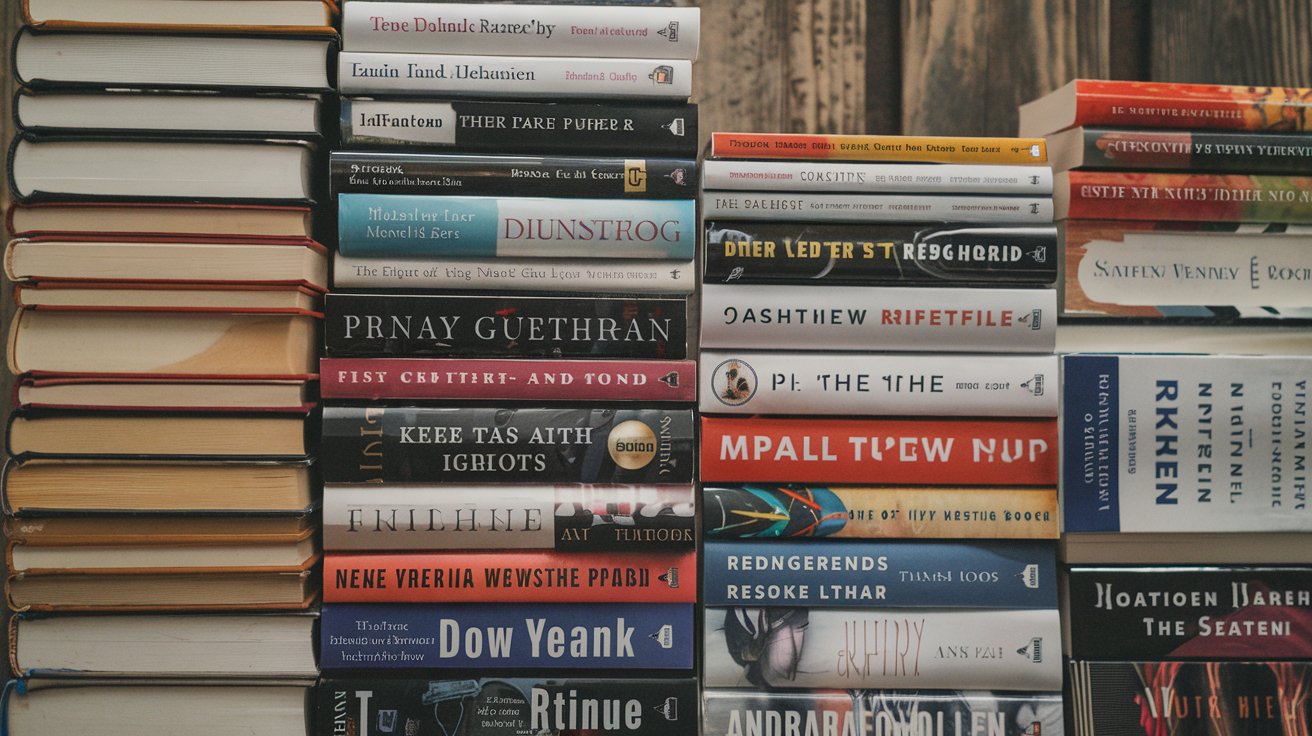
The 100 best books of the 21st century represent the most influential literary works published since 2000. This comprehensive list, compiled from major publications including The New York Times, Time Magazine, and literary critics worldwide, showcases the greatest novels, memoirs, and non-fiction works that have shaped modern literature and culture in the United States and beyond.
What Makes the Greatest Books of the 21st Century
The greatest books of the 21st century are determined through rigorous evaluation by literary critics, sales performance, cultural impact, and enduring relevance. These works transcend traditional genre boundaries, addressing contemporary issues while maintaining artistic excellence. Publishers, critics, and readers collectively recognize these titles for their innovative storytelling, profound themes, and lasting influence on modern literature.
Literary organizations like the New York Times Book Review and prestigious awards including the Pulitzer Prize have consistently highlighted these works. The selection process considers factors such as critical acclaim, commercial success, translation into multiple languages, and integration into academic curricula across American universities and high schools.
Top 25 Essential Novels of the 21st Century
Among the 25 best novels of the 21st century, several titles consistently appear across multiple ranking systems. These works have redefined contemporary fiction and established new literary standards for American and international readers seeking profound storytelling experiences.
Literary Fiction Masterpieces
Station Eleven by Emily St. John Mandel stands as a post-apocalyptic masterpiece that explores human resilience and artistic preservation. The novel won the Arthur C. Clarke Award and became a bestseller, demonstrating how genre fiction can achieve literary recognition. Similarly, The Human Stain by Philip Roth concludes his American Trilogy with a powerful examination of identity, race, and American society in the late 20th century.
Contemporary Award Winners
The Sympathizer by Viet Thanh Nguyen earned the Pulitzer Prize for Fiction in 2016, offering a Vietnamese perspective on the Vietnam War through innovative narrative techniques. Bring Up the Bodies by Hilary Mantel, the second installment in her Thomas Cromwell trilogy, won the Man Booker Prize and showcases historical fiction at its finest, bringing Tudor England to vivid life for modern readers.
Non-Fiction and Memoir Selections
The 100 best books of the 21st century include groundbreaking non-fiction works that have influenced public discourse and personal understanding. These titles address social issues, scientific discoveries, and personal narratives that resonate with contemporary American readers.
Social Justice and Cultural Commentary
Men We Reaped by Jesmyn Ward provides a powerful memoir examining the lives of five young black men in rural Mississippi, including the author’s brother. Ward’s narrative connects personal loss with broader social issues, earning critical acclaim and National Book Award recognition. Wayward Lives, Beautiful Experiments by Saidiya Hartman reconstructs the lives of young black women in early 20th century cities, offering revolutionary historical methodology.
Scientific and Philosophical Works
Leading non-fiction titles explore complex scientific concepts and philosophical questions that define 21st century thinking. These works translate academic research into accessible narratives for general readers, contributing to public understanding of climate change, technology, artificial intelligence, and human consciousness in ways that influence policy and personal decision-making.
International Literature and Translation
The top books of the 21st century include exceptional translations that bring global perspectives to American readers. These works demonstrate literature’s universal power to transcend cultural boundaries while maintaining distinct cultural identities and storytelling traditions.
The Days of Abandonment by Elena Ferrante explores a woman’s psychological breakdown following her husband’s departure, representing the intense psychological realism that characterizes contemporary Italian literature. The novel’s raw emotional honesty and unflinching examination of female experience have earned international recognition and influenced discussions about women’s literature worldwide.
Short Story Collections and Experimental Fiction
The Collected Stories of Lydia Davis represents experimental fiction’s finest achievements, featuring minimalist prose and innovative narrative structures. Davis’s work challenges traditional storytelling conventions while maintaining emotional depth and intellectual rigor. Her influence extends beyond literature into academic discussions about narrative theory and contemporary writing pedagogy.
Contemporary short story collections demonstrate how the form continues evolving in the digital age. These works often address modern themes including technology’s impact on human relationships, environmental concerns, and social media’s influence on personal identity formation among younger generations.
Contemporary Authors Shaping Modern Literature
The most influential authors of the 21st century have created works that define contemporary literary discourse. These writers represent diverse backgrounds, perspectives, and stylistic approaches that collectively illustrate American literature’s evolution since 2000.
Emerging Voices and Diverse Perspectives
Detransition, Baby by Torrey Peters addresses transgender experiences with unprecedented honesty and complexity, earning widespread critical acclaim and popular success. The novel explores modern family structures, gender identity, and reproductive choices through compelling character development and accessible prose that reaches both LGBTQ+ and mainstream audiences.
Established Literary Giants
Established authors like Philip Roth, Toni Morrison, and Margaret Atwood have produced career-defining works during the 21st century. Their contributions demonstrate sustained artistic excellence while addressing contemporary concerns including political polarization, technological advancement, and environmental degradation through sophisticated literary techniques and profound thematic exploration.
Genre Fiction and Popular Literature
The best-selling books of the 21st century include genre fiction that has achieved both commercial success and critical recognition. These works demonstrate how popular literature can address serious themes while maintaining entertainment value and broad appeal among diverse readerships.
Science fiction, fantasy, mystery, and thriller genres have produced works that transcend traditional literary boundaries. Authors like George R.R. Martin, Gillian Flynn, and Liu Cixin have created narratives that engage with contemporary social issues while providing escapist entertainment, proving that genre fiction can achieve literary significance and cultural impact.
Impact on American Education and Culture
The 100 best books of the 21st century have significantly influenced American educational curricula and cultural discourse. High schools and universities increasingly incorporate these contemporary works into literature courses, ensuring that students engage with current themes and diverse perspectives rather than exclusively studying historical texts.
Book clubs, reading groups, and online communities have embraced these titles, creating nationwide conversations about contemporary issues including immigration, climate change, social justice, and technological advancement. These discussions demonstrate literature’s continued relevance in democratic society and its power to foster empathy and understanding across cultural divides.
Digital Age Publishing and Reading Trends
The most read books of the 21st century reflect changing reading habits influenced by digital technology, social media, and evolving lifestyle patterns. E-books, audiobooks, and online platforms have transformed how Americans discover, purchase, and consume literature, creating new opportunities for authors and publishers while challenging traditional industry models.
Social media platforms like Instagram, TikTok, and Goodreads have revolutionized book marketing and reader engagement. BookTok and similar phenomena have introduced younger audiences to both contemporary and classic literature, creating viral reading trends that influence publishing decisions and author careers in unprecedented ways.
Related video about 100 best books of the 21st century
This video complements the article information with a practical visual demonstration.
Everything you need to know about 100 best books of the 21st century
What is the greatest novel of the 21st century?
Literary critics widely consider works like Station Eleven by Emily St. John Mandel, The Human Stain by Philip Roth, and The Sympathizer by Viet Thanh Nguyen among the greatest novels of the 21st century. These titles have won major awards including the Pulitzer Prize and achieved both critical acclaim and popular success across diverse readerships.
What’s the best-selling book of the 21st century?
The Harry Potter series by J.K. Rowling dominates 21st century bestseller lists, with over 500 million copies sold worldwide. Other top-selling titles include The Da Vinci Code by Dan Brown, Fifty Shades of Grey by E.L. James, and The Girl with the Dragon Tattoo by Stieg Larsson, demonstrating genre fiction’s commercial power.
How are the 100 best books of the 21st century selected?
The 100 best books of the 21st century are selected through comprehensive evaluation by literary critics, major publications like The New York Times, academic institutions, and professional literary organizations. Selection criteria include critical acclaim, cultural impact, artistic innovation, sales performance, and enduring relevance to contemporary American society and global culture.
What genres are represented in the top 100 books?
The top 100 books of the 21st century include literary fiction, non-fiction, memoirs, science fiction, fantasy, mystery, poetry, and graphic novels. This diversity reflects contemporary literature’s expanded definition and recognition that genre fiction can achieve literary significance while addressing serious themes and social issues.
Are international authors included in the 100 best books list?
Yes, the 100 best books of the 21st century include significant works by international authors translated into English. Notable examples include Elena Ferrante from Italy, Haruki Murakami from Japan, and Liu Cixin from China, demonstrating literature’s global nature and cross-cultural influence in the modern era.
How do these books influence American education?
The best books of the 21st century have transformed American educational curricula by introducing contemporary themes, diverse perspectives, and current social issues into literature courses. High schools and universities increasingly incorporate these works to engage students with relevant topics including technology, climate change, social justice, and multicultural experiences.
| Selection Criteria | Key Features | Reader Benefits |
|---|---|---|
| Critical Acclaim | Pulitzer Prize, National Book Award, Man Booker Prize winners | Guaranteed literary quality and artistic excellence |
| Cultural Impact | Influence on social discourse and public conversations | Understanding of contemporary issues and perspectives |
| Genre Diversity | Fiction, non-fiction, memoir, poetry, graphic novels | Varied reading experiences and expanded literary horizons |
| Global Perspectives | International authors and translated works | Cross-cultural understanding and worldview expansion |