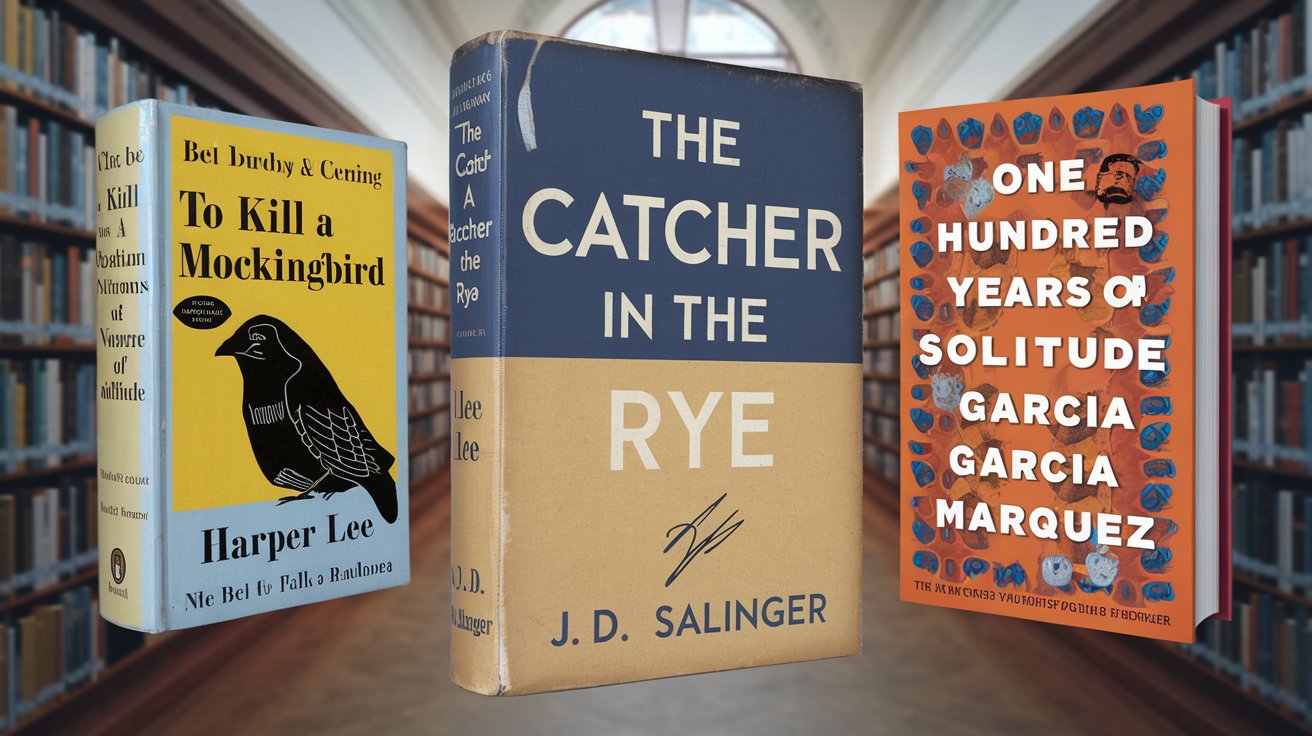
The 1960s produced some of the most influential and best-selling novels in American literary history. While S.E. Hinton’s works gained prominence, three other novels dominated the decade: To Kill a Mockingbird by Harper Lee, Catch-22 by Joseph Heller, and Valley of the Dolls by Jacqueline Susann. These groundbreaking works continue to influence readers and remain among the most purchased books from this transformative decade.
Top Three Best-Selling Novels of the 1960s
The 1960s witnessed an unprecedented surge in literary excellence that produced numerous bestsellers. Three novels particularly stood out for their commercial success and cultural impact during this decade. These works not only achieved remarkable sales figures but also shaped American consciousness during a period of social upheaval and change.
Each of these best-selling novels addressed different aspects of American society, from racial injustice to the absurdity of war and the dark side of fame. Their enduring popularity demonstrates the power of literature to capture the zeitgeist of an era while addressing universal human experiences.
To Kill a Mockingbird by Harper Lee (1960)
To Kill a Mockingbird stands as one of the most significant literary achievements of the 1960s, selling over 40 million copies worldwide since its publication. Harper Lee’s debut novel immediately resonated with readers, winning the Pulitzer Prize for Fiction in 1961 and becoming a cornerstone of American literature education. The novel’s exploration of racial injustice through the eyes of Scout Finch in Depression-era Alabama struck a powerful chord during the Civil Rights Movement.
The book’s commercial success was unprecedented for a debut novel, remaining on the bestseller lists for 88 consecutive weeks. Its impact on American culture extends far beyond sales figures, as it became required reading in schools across the United States and influenced countless discussions about race, morality, and justice in American society.
Catch-22 by Joseph Heller (1961)
Joseph Heller’s Catch-22 revolutionized war literature and became one of the decade’s most influential novels, selling over 10 million copies worldwide. The novel’s satirical portrayal of military bureaucracy and the absurdity of war resonated deeply with readers during the Vietnam War era. Heller’s innovative narrative style and dark humor created a new literary paradigm that influenced generations of writers.
The term ‘Catch-22’ entered everyday language, describing situations where contradictory requirements make success impossible. This cultural phenomenon demonstrates the novel’s profound impact beyond literature, as it provided a framework for understanding bureaucratic absurdity and paradoxical situations in modern life.
Valley of the Dolls by Jacqueline Susann (1966)
Valley of the Dolls became the best-selling novel of 1966 and remained on The New York Times Best Seller list for 65 weeks, making it one of the most commercially successful books of the decade. Jacqueline Susann’s provocative exploration of fame, addiction, and the entertainment industry captured readers’ attention with its candid portrayal of Hollywood’s dark underbelly.
The novel sold over 31 million copies worldwide, making it one of the best-selling novels of all time. Its frank discussion of topics like prescription drug abuse, sexuality, and the price of fame was groundbreaking for its time and paved the way for more explicit popular fiction in subsequent decades.
Cultural Impact and Literary Significance
These three best-selling novels of the 1960s fundamentally altered American literary landscape and popular culture. Each work addressed pressing social issues of its time while creating lasting artistic achievements that continue to influence contemporary literature. Their commercial success demonstrated the public’s appetite for literature that challenged conventional thinking and explored complex social themes.
The cultural significance of these novels extends beyond their initial publication, as they became touchstones for understanding American society during one of its most turbulent decades. Their continued presence in educational curricula and popular culture demonstrates their enduring relevance and artistic merit.
Sales Performance and Market Reception
The commercial success of these novels reflected broader changes in American reading habits and publishing industry dynamics during the 1960s. Book sales reached unprecedented levels as literacy rates increased and paperback editions made literature more accessible to diverse audiences. The decade saw the rise of book clubs, chain bookstores, and mass-market paperbacks that helped these novels reach millions of readers.
Market analysis from the 1960s shows that these three novels consistently outperformed other fiction releases, with Valley of the Dolls achieving the highest single-year sales figures. The success of these works encouraged publishers to invest in similar titles that addressed contemporary social issues and pushed literary boundaries.
Publishing Industry Revolution
The success of these best-selling novels contributed to significant changes in the publishing industry during the 1960s. Publishers began recognizing the commercial potential of literature that addressed controversial topics and social issues. This shift led to increased investment in marketing campaigns and the development of new distribution channels that made books more widely available.
The paperback revolution played a crucial role in the success of these novels, as affordable editions allowed them to reach broader audiences beyond traditional literary circles. This democratization of literature helped establish reading as a mainstream cultural activity and expanded the market for serious fiction.
Reader Demographics and Appeal
These three novels attracted diverse readerships that crossed traditional demographic boundaries. To Kill a Mockingbird appealed to readers across age groups and became particularly popular in educational settings. Catch-22 resonated with college students and young adults questioning authority during the counterculture movement, while Valley of the Dolls attracted primarily female readers interested in celebrity culture and women’s experiences.
The broad appeal of these works demonstrated that quality literature could achieve commercial success without compromising artistic integrity. Their ability to engage both critics and general readers established new standards for what constituted a successful novel in the American market.
Literary Techniques and Innovation
Each of these best-selling novels employed innovative literary techniques that set them apart from conventional fiction of the era. Harper Lee’s use of a child narrator to explore complex moral issues, Joseph Heller’s non-linear narrative structure, and Jacqueline Susann’s unflinching realism all contributed to their distinctive voices and commercial appeal.
These innovative approaches to storytelling influenced subsequent generations of writers and established new possibilities for popular fiction. Their success proved that experimental techniques could enhance rather than hinder commercial appeal when skillfully employed in service of compelling stories.
Legacy and Continued Influence
The lasting impact of these three best-selling novels continues to shape American literature and culture more than six decades after their publication. To Kill a Mockingbird remains a cornerstone of high school curricula, while Catch-22 continues to influence discussions about military policy and bureaucracy. Valley of the Dolls paved the way for contemporary women’s fiction that explores themes of ambition, addiction, and celebrity culture.
Modern publishers and authors continue to study these works as examples of how literary excellence can achieve commercial success. Their influence extends beyond literature into film, television, and popular culture, demonstrating the enduring power of well-crafted storytelling to transcend its original medium and historical context.
Related video about list three other best-selling novels of the 1960s (not written by hinton)
This video complements the article information with a practical visual demonstration.
Everything you need to know about list three other best-selling novels of the 1960s (not written by hinton)
What made these three novels best-sellers in the 1960s?
These novels achieved best-seller status by addressing pressing social issues of their time while maintaining exceptional literary quality. To Kill a Mockingbird tackled racial injustice during the Civil Rights Movement, Catch-22 satirized military bureaucracy during the Vietnam War era, and Valley of the Dolls explored celebrity culture and women’s experiences. Their commercial success was enhanced by the paperback revolution and expanding literacy rates that made books more accessible to diverse audiences.
How do these novels compare to S.E. Hinton’s works?
While S.E. Hinton’s novels focused primarily on young adult experiences and coming-of-age themes, these three best-sellers addressed broader social and political issues affecting American society. Hinton’s works gained prominence later in the decade and targeted younger readers, whereas To Kill a Mockingbird, Catch-22, and Valley of the Dolls appealed to adult audiences and achieved higher overall sales figures throughout the 1960s.
Are these novels still popular today?
Yes, all three novels remain highly popular and influential today. To Kill a Mockingbird continues to be widely taught in schools and has sold over 40 million copies worldwide. Catch-22 remains relevant in discussions about war and bureaucracy, while Valley of the Dolls has maintained its status as a cultural touchstone for understanding celebrity culture. Their continued presence in bookstores and educational curricula demonstrates their enduring appeal.
What impact did these novels have on American culture?
These novels profoundly influenced American culture by introducing new vocabulary, concepts, and perspectives into mainstream discourse. ‘Catch-22’ became a common term for paradoxical situations, To Kill a Mockingbird shaped discussions about racial justice, and Valley of the Dolls opened conversations about women’s experiences in entertainment industries. Their cultural impact extends far beyond literature into education, politics, and popular culture.
Why were the 1960s particularly significant for American literature?
The 1960s represented a transformative period for American literature due to social upheaval, changing demographics, and expanding educational opportunities. The Civil Rights Movement, Vietnam War, and counterculture movement created demand for literature that addressed contemporary issues. Simultaneously, the paperback revolution and increased literacy rates made books more accessible, creating ideal conditions for novels that combined literary merit with commercial appeal.
How did these novels influence the publishing industry?
These best-sellers demonstrated that serious literature addressing controversial topics could achieve massive commercial success, leading publishers to invest more heavily in marketing and distribution. Their success contributed to the paperback revolution, expansion of book clubs, and development of chain bookstores. Publishers began recognizing that quality literature could reach broad audiences, fundamentally changing how books were marketed and distributed in America.
| Novel | Publication Year | Sales Impact | Cultural Legacy |
|---|---|---|---|
| To Kill a Mockingbird | 1960 | 40+ million copies worldwide | Educational cornerstone, civil rights discussions |
| Catch-22 | 1961 | 10+ million copies worldwide | Added term to English language, war literature influence |
| Valley of the Dolls | 1966 | 31+ million copies worldwide | Women’s fiction pioneer, celebrity culture exploration |