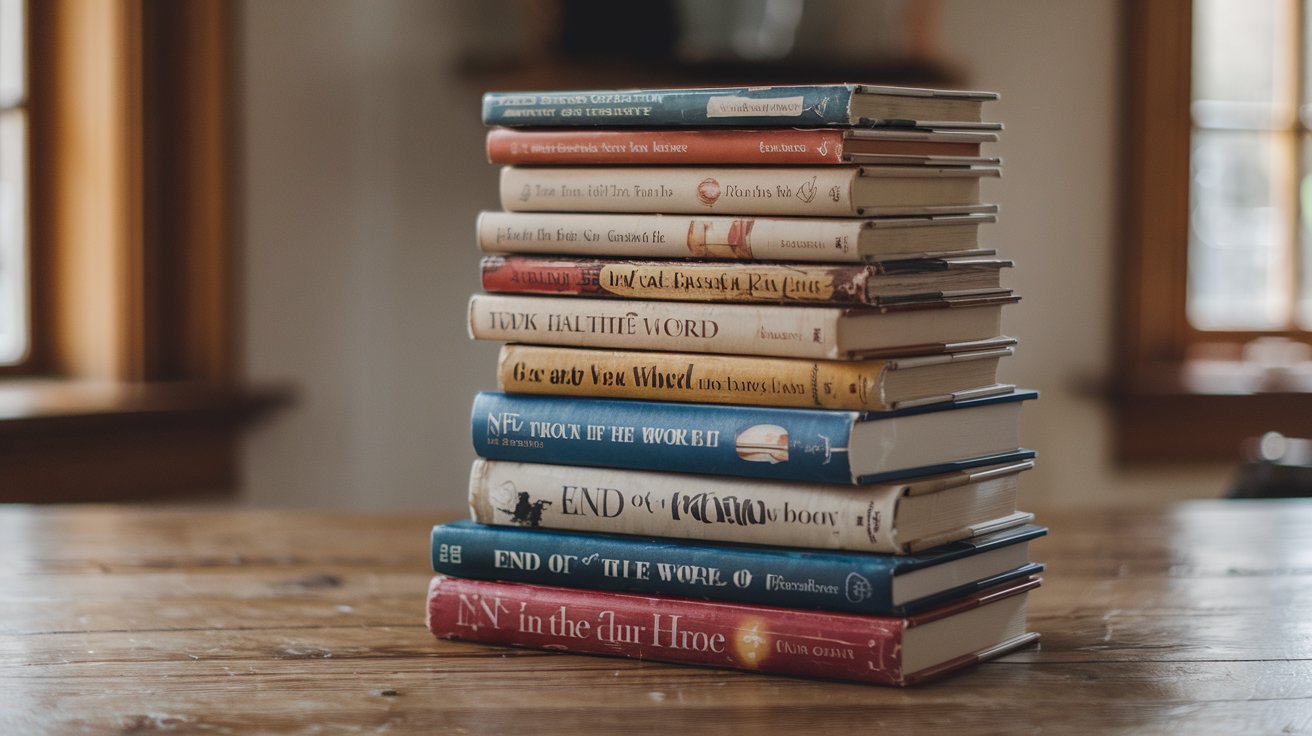
The best end of the world books transport readers into compelling narratives where humanity faces extinction, societal collapse, or global catastrophe. These apocalyptic books have captivated millions of readers worldwide, offering profound insights into human nature, survival, and hope amid destruction. From classic dystopian novels to contemporary post-apocalyptic fiction, these stories continue to resonate with audiences seeking thought-provoking literature that explores what defines our humanity when civilization crumbles.
Top Classic End of the World Books
Classic end of the world books have shaped the apocalyptic genre for decades, establishing themes and narratives that continue to influence modern literature. These timeless works explore humanity’s darkest possibilities while examining the resilience of the human spirit. Authors like George Orwell, Margaret Atwood, and Cormac McCarthy have created literary masterpieces that transcend entertainment to become cultural touchstones. Their works remain among the most read books in post-apocalyptic fiction, consistently appearing on bestseller lists and academic curricula across the United States.
These foundational texts established the conventions that define apocalyptic books today, from dystopian governments to environmental disasters. They demonstrate exceptional storytelling craft, combining compelling characters with profound philosophical questions about civilization, morality, and survival. Many of these classics have been adapted into successful films and television series, further cementing their status as essential reading for anyone interested in end-times fiction.
The Road by Cormac McCarthy
Cormac McCarthy’s Pulitzer Prize-winning novel stands as one of the best end of the world books ever written, following a father and son’s journey through a post-apocalyptic wasteland. The book’s sparse, haunting prose and emotional depth have made it a cornerstone of modern apocalyptic literature. Set in a world devastated by an unspecified catastrophe, the story explores themes of love, survival, and the preservation of humanity’s moral compass in the face of absolute despair.
1984 by George Orwell
George Orwell’s dystopian masterpiece remains one of the most read books in the world, depicting a totalitarian society where individual freedom has been completely eradicated. The novel’s exploration of surveillance, propaganda, and thought control continues to resonate with modern readers, making it essential reading for understanding dystopian fiction. Orwell’s prescient vision of a world where truth is malleable and freedom is extinct has influenced countless apocalyptic books that followed.
Contemporary Post-Apocalyptic Fiction
Modern end of the world books reflect contemporary anxieties about climate change, pandemics, technology, and social collapse. These recent publications incorporate current scientific understanding and cultural concerns while maintaining the genre’s core appeal. Authors like Emily St. John Mandel, Colson Whitehead, and N.K. Jemisin have revitalized apocalyptic fiction with fresh perspectives and diverse voices. Their works demonstrate that the best apocalyptic books can address modern issues while maintaining universal themes of human resilience and hope.
Contemporary authors have expanded the genre beyond traditional nuclear holocaust scenarios to explore climate disasters, viral pandemics, and technological failures. These modern apocalyptic books often feature more diverse characters and settings, reflecting the globalized world we live in. Many incorporate elements of speculative fiction, fantasy, and science fiction to create unique takes on end-times scenarios that feel both fantastical and eerily plausible.
Station Eleven by Emily St. John Mandel
Emily St. John Mandel’s acclaimed novel follows multiple interconnected stories spanning decades before and after a pandemic that destroys civilization. The book’s hopeful tone and focus on art’s importance in human survival make it stand out among end of the world books. Station Eleven won the Arthur C. Clarke Award and was adapted into a successful HBO Max series, demonstrating the enduring appeal of thoughtful apocalyptic fiction that emphasizes human connection and creativity.
The Fifth Season by N.K. Jemisin
N.K. Jemisin’s Broken Earth trilogy begins with this Hugo Award-winning novel set on a world plagued by apocalyptic seismic events. The book combines elements of fantasy and science fiction to create a unique take on apocalyptic books. Jemisin’s world-building and character development have earned critical acclaim, while her exploration of oppression and survival resonates with contemporary social issues. The trilogy’s innovative narrative structure and diverse cast have redefined what best end of the world books can achieve.
Young Adult Apocalyptic Fiction
Young adult end of the world books have gained massive popularity, particularly following the success of The Hunger Games trilogy. These novels often feature teenage protagonists navigating post-apocalyptic worlds while dealing with coming-of-age themes. The genre’s appeal extends beyond young readers, with many adults enjoying the fast-paced action and hopeful messages these books typically convey. Publishers have recognized the commercial potential of YA apocalyptic fiction, leading to increased publication of titles in this category.
YA apocalyptic books frequently explore themes of rebellion, identity, and first love against the backdrop of societal collapse. These stories often feature strong female protagonists and diverse supporting characters, reflecting modern publishing’s emphasis on representation. Many successful YA apocalyptic novels have been adapted into major motion pictures, further expanding their reach and influence on popular culture.
The Hunger Games by Suzanne Collins
Suzanne Collins’ dystopian trilogy sparked a renaissance in YA apocalyptic books, following Katniss Everdeen in a post-apocalyptic North America divided into districts. The series’ exploration of war, media manipulation, and survival resonated with millions of readers worldwide. The books’ success led to a blockbuster film franchise and influenced countless other YA dystopian novels. The Hunger Games remains one of the most read books in the young adult category, with over 100 million copies sold globally.
Divergent by Veronica Roth
Veronica Roth’s Divergent series takes place in a future Chicago where society is divided into five factions based on personality traits. The trilogy explores themes of identity, choice, and social control that make it a standout among end of the world books for younger readers. The series’ popularity led to a film adaptation and established Roth as a significant voice in YA apocalyptic fiction. The books’ examination of conformity versus individuality continues to resonate with readers facing their own identity challenges.
Horror-Based End Times Fiction
Horror-infused end of the world books combine apocalyptic scenarios with supernatural or terrifying elements to create uniquely disturbing narratives. These novels often feature zombie outbreaks, supernatural forces, or cosmic horror elements that threaten human existence. Authors like Stephen King, Justin Cronin, and Max Brooks have mastered the art of blending horror with apocalyptic themes. Their works demonstrate that the best apocalyptic books can terrify readers while exploring deeper themes about humanity’s fragility and resilience.
These horror-based apocalyptic books often focus on the immediate terror of survival rather than long-term societal rebuilding. They explore primal fears about death, transformation, and the unknown while maintaining the genre’s core focus on human nature under extreme stress. Many of these novels have been adapted into successful television series and films, proving that horror-apocalyptic fiction has broad commercial appeal beyond traditional genre readers.
The Stand by Stephen King
Stephen King’s epic novel follows survivors of a pandemic that kills most of humanity, leading to a supernatural confrontation between good and evil. The book’s massive scope and complex character development make it a cornerstone of horror-based end of the world books. King’s ability to blend realistic pandemic scenarios with supernatural elements creates a unique reading experience that has influenced countless other apocalyptic works. The novel’s exploration of community, faith, and human nature has made it one of the most read books in both horror and apocalyptic fiction.
World War Z by Max Brooks
Max Brooks’ oral history of a global zombie pandemic presents a unique documentary-style approach to apocalyptic books. The novel’s realistic portrayal of global response to a zombie outbreak and its focus on international perspectives set it apart from traditional zombie fiction. Brooks’ meticulous research and attention to detail create a believable world where the undead threaten human civilization. The book’s success led to a major motion picture adaptation and established Brooks as a leading voice in modern zombie literature.
Criteria for the Best End of the World Books
The best end of the world books share several key characteristics that elevate them above typical apocalyptic fiction. These novels feature compelling characters who undergo significant development throughout their journeys, realistic world-building that makes the apocalyptic scenario believable, and themes that resonate beyond the immediate survival story. Great apocalyptic books explore fundamental questions about human nature, society, and morality while maintaining engaging narratives that keep readers invested in the outcome.
Exceptional end of the world books also demonstrate literary merit through skillful prose, innovative storytelling techniques, and memorable endings that provide satisfying conclusions to their narratives. They often incorporate contemporary concerns and anxieties while maintaining timeless themes that ensure their relevance across generations. The best apocalyptic books balance entertainment value with intellectual depth, creating works that can be enjoyed as thrilling adventures while offering deeper insights into the human condition.
Reading Recommendations by Subgenre
Different readers gravitate toward various types of apocalyptic books based on their interests in specific themes and scenarios. Climate fiction enthusiasts might prefer novels dealing with environmental collapse, while technology-focused readers might enjoy stories about AI rebellion or digital apocalypse. Understanding these subgenres helps readers find the best end of the world books that align with their preferences and interests. Each subgenre offers unique perspectives on how civilization might end and what might emerge from the ruins.
Military science fiction readers often enjoy post-apocalyptic novels featuring combat and tactical scenarios, while literary fiction fans prefer character-driven narratives that use apocalyptic settings to explore deeper themes. Horror fans seek apocalyptic books that emphasize terror and survival horror elements, while young adult readers often prefer stories with hopeful messages and coming-of-age themes. This diversity ensures that there are best apocalyptic books available for every type of reader.
Impact on Popular Culture
The best end of the world books have significantly influenced popular culture, inspiring countless films, television series, video games, and other media. Works like The Walking Dead, Mad Max, and The Hunger Games have become cultural phenomena that extend far beyond their original literary forms. These adaptations have introduced apocalyptic themes to broader audiences and demonstrated the commercial viability of end-times fiction. The success of these properties has led to increased interest in apocalyptic books and has influenced new generations of writers and creators.
The popularity of apocalyptic books has also influenced other genres, with elements of post-apocalyptic fiction appearing in romance, mystery, and even comedy works. This cross-pollination has enriched the overall literary landscape and demonstrated that end-times scenarios can support various types of storytelling. The genre’s influence extends to academic discourse, with scholars studying apocalyptic fiction’s role in expressing contemporary anxieties and cultural concerns.
Related video about best end of the world books
This video complements the article information with a practical visual demonstration.
Questions & Answers
What is the best end of the world book?
The Road by Cormac McCarthy is widely considered one of the best end of the world books ever written. This Pulitzer Prize-winning novel combines literary excellence with a compelling post-apocalyptic narrative about a father and son’s journey through a devastated landscape. Its emotional depth, spare prose style, and profound exploration of human love and survival have made it a modern classic that appeals to both literary critics and general readers.
What are the best apocalyptic books for beginners?
For readers new to apocalyptic fiction, The Hunger Games by Suzanne Collins and Station Eleven by Emily St. John Mandel offer accessible entry points. These books combine engaging storytelling with approachable themes and writing styles. The Hunger Games provides fast-paced action and clear moral conflicts, while Station Eleven offers a more hopeful perspective on post-apocalyptic survival with its focus on art and human connection.
Which book has the best ending in apocalyptic fiction?
Station Eleven by Emily St. John Mandel is frequently praised for having one of the best endings in apocalyptic fiction. The novel’s conclusion emphasizes hope, human connection, and the importance of art in rebuilding civilization. Unlike many apocalyptic books that focus on despair, Station Eleven’s ending celebrates human resilience and creativity, leaving readers with a sense of optimism about humanity’s ability to survive and thrive after catastrophe.
Are there any recent end of the world books worth reading?
Yes, several excellent end of the world books have been published in recent years. The Fifth Season by N.K. Jemisin (2015) won the Hugo Award for its innovative take on apocalyptic fantasy. Klara and the Sun by Kazuo Ishiguro (2021) offers a unique perspective on technological apocalypse, while The Last Tale of the Flower Bride by Roshani Chokshi (2023) blends fairy tale elements with dystopian themes.
What themes do the best apocalyptic books explore?
The best apocalyptic books explore universal themes including human resilience, moral choices under extreme circumstances, the importance of community and love, and questions about what makes us human. These novels often examine how people maintain hope and dignity when facing extinction, the role of leadership in crisis situations, and the balance between individual survival and collective responsibility. They also frequently address contemporary concerns like climate change, technology, and social inequality.
Should I read apocalyptic books in any particular order?
While apocalyptic books don’t need to be read in a specific order, starting with classic foundational works like 1984 by George Orwell or The Road by Cormac McCarthy can provide important context for understanding the genre. After reading key classics, readers can explore contemporary works and specialized subgenres based on their interests. Many readers find it helpful to alternate between different types of apocalyptic fiction to avoid genre fatigue and maintain fresh perspectives.
| Book Category | Key Characteristics | Best For Readers Who |
|---|---|---|
| Classic Literary | Profound themes, literary merit, timeless appeal | Appreciate literary fiction and philosophical depth |
| Contemporary Fiction | Modern concerns, diverse voices, fresh perspectives | Want current relevance and innovative storytelling |
| Young Adult | Fast-paced action, hopeful messages, coming-of-age themes | Enjoy adventure and optimistic endings |
| Horror-Based | Supernatural elements, terror, survival horror | Love horror and suspenseful narratives |
| Science Fiction | Technological themes, speculative elements, futuristic scenarios | Enjoy scientific concepts and future speculation |