What Is Fight Club About? Complete Plot & Meaning Explained

Fight Club is a 1999 psychological thriller film directed by David Fincher that explores themes of masculinity, consumerism, and mental illness through the story of an unnamed narrator who creates an underground fighting organization. Based on Chuck Palahniuk’s novel, the film examines how modern society’s pressures lead to identity crisis and the formation of destructive alter egos, making it one of the most controversial and discussed films of its generation. The Basic Plot of Fight Club Explained The story follows an unnamed narrator, an insomniac office worker played by Edward Norton, who becomes disillusioned with his consumer-driven lifestyle. After meeting the charismatic Tyler Durden (Brad Pitt) on a business trip, the narrator’s apartment mysteriously explodes, leading him to move in with Tyler. Together, they establish Fight Club, an underground organization where men gather to engage in bare-knuckle fighting as a form of therapy and rebellion against societal norms. As the Fight Club movement grows across the United States, it evolves into Project Mayhem, a domestic terrorist organization aimed at destroying corporate America and the credit system. The narrator gradually loses control over the organization and discovers that Tyler Durden is actually his own dissociative identity disorder manifestation, created by his fractured psyche as a coping mechanism for his deep-seated psychological issues. Mental Illness and Psychological Themes The film primarily explores dissociative identity disorder (DID), previously known as multiple personality disorder, through the narrator’s creation of Tyler Durden. This mental illness representation shows how severe psychological stress and societal pressures can lead to the development of alternate personalities. The narrator’s insomnia, depression, and feelings of emasculation in modern society trigger his psychological break, resulting in the creation of Tyler as his idealized masculine alter ego. Fight Club also addresses broader mental health issues prevalent in 1990s America, including anxiety, depression, and the psychological effects of consumer culture. The film suggests that men’s mental health suffers under the pressure to conform to materialistic values, leading to a crisis of masculinity and identity. The therapeutic aspect of physical fighting serves as a metaphor for men’s need to reclaim their primal instincts and authentic selves. Why Fight Club Remains Controversial Fight Club’s controversial nature stems from its violent content and anti-establishment themes that some critics argue could inspire real-world violence. The film’s portrayal of domestic terrorism through Project Mayhem, combined with its critique of consumer capitalism, sparked debates about whether it glorifies destructive behavior. Several incidents of copycat fight clubs emerging in real life following the film’s release added to the controversy surrounding its influence on impressionable audiences. The movie’s exploration of toxic masculinity and its apparent endorsement of violence as a solution to societal problems continues to generate discussion among film scholars and audiences. Additionally, the film’s timing, released just months before the Columbine shooting, intensified concerns about media violence and its potential impact on vulnerable individuals seeking identity and belonging. Fight Club Book vs Movie Differences Chuck Palahniuk’s original Fight Club book, published in 1996, serves as the foundation for the film adaptation but contains several key differences. The novel provides more detailed exploration of the narrator’s psychological deterioration and includes additional scenes that weren’t adapted for the movie. The book’s ending also differs significantly, with the narrator attempting suicide and waking up in a mental hospital, while the film concludes with the destruction of credit card company buildings. The Fight Club book offers deeper insight into the narrator’s internal monologue and psychological state, providing readers with a more comprehensive understanding of his mental illness progression. Palahniuk’s writing style, characterized by repetitive phrases and dark humor, creates a more intimate connection between readers and the narrator’s fractured psyche than the film adaptation allows. Cast and Character Analysis The Cast of Fight Club includes Edward Norton as the unnamed narrator, Brad Pitt as Tyler Durden, and Helena Bonham Carter as Marla Singer. Norton’s portrayal of the narrator effectively captures the character’s transformation from a passive consumer to an active participant in underground rebellion. His performance demonstrates the psychological complexity of living with dissociative identity disorder and the gradual loss of control over his alternate personality. Brad Pitt’s Tyler Durden became an iconic character representing charismatic leadership and anti-establishment ideals. The Cast of Fight Club also features notable performances by Meat Loaf as Robert Paulson and Jared Leto as Angel Face, both representing different aspects of masculinity and vulnerability within the fight club environment. Each character serves as a reflection of modern male identity crisis and the search for authentic self-expression. Cultural Impact and Legacy Since its release in 1999, Fight Club has evolved from a box office disappointment to a cult classic that continues to influence popular culture and academic discourse. The film’s exploration of consumer culture, masculinity, and mental health resonates with audiences across generations, particularly during economic uncertainty and social upheaval. Its themes remain relevant in 2024-2025 as Americans continue to grapple with identity, materialism, and psychological well-being. The movie’s impact extends beyond entertainment, inspiring academic studies on masculinity, consumer psychology, and media violence. Film schools across the United States regularly analyze Fight Club as an example of unreliable narration and psychological thriller techniques. The film’s influence on subsequent movies and television shows demonstrates its lasting significance in contemporary American cinema and cultural criticism. Themes and Symbolism Analysis Fight Club employs extensive symbolism to convey its themes about modern society and human psychology. The narrator’s apartment, filled with IKEA furniture and consumer goods, represents the hollow materialism that defines his pre-Tyler existence. The Fight Club itself symbolizes a return to primal masculinity and authentic human connection, contrasting with the artificial relationships fostered by consumer culture. The film’s recurring motifs include corporate logos, credit cards, and advertisements that highlight America’s obsession with material wealth and status. Tyler’s soap-making business serves as a metaphor for transformation and purification, while the destruction of credit card company buildings represents liberation from financial slavery. These symbols work together to create a comprehensive critique of late-20th-century American capitalism and its psychological effects on individuals. The Ending … Read more

I Saw the TV Glow: Complete Guide to the Horror Film (2024)

I Saw the TV Glow is a 2024 horror film that has captivated audiences with its unique blend of supernatural terror and deep LGBTQ themes. Directed by Jane Schoenbrun, this psychological horror explores identity, reality, and the power of television through the story of two teenagers obsessed with a mysterious late-night show called ‘The Pink Opaque.’ What Is I Saw the TV Glow About The film follows Owen and Maddy, two suburban teenagers who become obsessed with The Pink Opaque, a supernatural television series that airs late at night. Set in the 1990s, the story begins when Owen discovers this mysterious show through Maddy, an older student who introduces him to its strange and captivating world. The show features two teenage girls fighting monsters in a surreal, neon-lit landscape that seems to bleed into reality. As Owen and Maddy grow older, their connection to The Pink Opaque becomes increasingly intense and disturbing. The line between the television show and their real lives begins to blur, leading to questions about identity, reality, and the transformative power of media. The film explores how fictional narratives can become vehicles for self-discovery and personal transformation, particularly for those struggling with their identity in suburban America. I Saw the TV Glow Cast and Characters The cast of I Saw the TV Glow features talented actors who bring depth to this complex narrative. Justice Smith stars as Owen, delivering a nuanced performance that captures the character’s journey from awkward teenager to confused adult. Brigette Lundy-Paine plays Maddy, Owen’s enigmatic friend who serves as his guide into the world of The Pink Opaque. Their chemistry drives the film’s emotional core. The supporting cast includes Helena Howard and Lindsey Jordan, who appear in key roles that enhance the film’s exploration of identity and transformation. The actors portraying characters within The Pink Opaque television show create a compelling meta-narrative that mirrors the main characters’ struggles. Each performance contributes to the film’s overall atmosphere of unease and psychological complexity. LGBTQ Themes and Trans Identity I Saw the TV Glow has been widely recognized for its powerful LGBTQ themes, particularly its exploration of trans identity and the experience of gender dysphoria. The film uses the metaphor of television and alternate realities to examine how transgender individuals might experience their relationship with their bodies and identities. Many viewers and critics have interpreted Owen’s journey as a trans narrative, with The Pink Opaque serving as a metaphor for authentic self-expression. The film’s treatment of LGBTQ themes goes beyond simple representation, offering a complex meditation on identity, belonging, and the search for authentic self-expression. Director Jane Schoenbrun, who is transgender, has crafted a narrative that resonates deeply with LGBTQ audiences while remaining accessible to broader viewers. The suburban setting amplifies themes of isolation and the desperate need for connection and understanding. Horror Elements and Genre Analysis Despite its focus on identity and television culture, I Saw the TV Glow is definitively a horror film, though it operates in the psychological and surreal horror subgenres rather than traditional jump scares. The horror emerges from the gradual dissolution of reality, the uncanny nature of The Pink Opaque, and the existential dread that permeates Owen’s journey. The film creates unease through its atmosphere, sound design, and the increasingly disturbing relationship between fiction and reality. The horror elements are deeply psychological, focusing on themes of dissociation, identity crisis, and the terror of living an inauthentic life. The television show within the film serves as both a source of comfort and a catalyst for horror, as characters become increasingly unable to distinguish between their television-mediated fantasies and their lived reality. This approach to horror is more subtle but ultimately more disturbing than conventional genre fare. Critical Reception and Reviews I Saw the TV Glow reviews have been overwhelmingly positive, with critics praising its innovative approach to horror and its sensitive handling of LGBTQ themes. The film has earned acclaim at major film festivals and has been recognized as one of the most important independent films of 2024. Critics have particularly praised Justice Smith’s performance and Jane Schoenbrun’s direction. Professional reviewers have highlighted the film’s unique visual style, its effective use of 1990s nostalgia, and its ability to create genuine emotional resonance through its supernatural elements. The film currently holds strong ratings on major review aggregation sites, with many critics noting its significance within both horror cinema and LGBTQ representation in film. I Saw the TV Glow IMDb ratings reflect this positive critical reception among both professional critics and general audiences. Where to Watch I Saw the TV Glow For those wondering where to watch I Saw the TV Glow, the film is available through multiple streaming platforms and rental services in the United States. Following its theatrical release in 2024, the film became available on digital platforms including Amazon Prime Video, Apple TV, and Vudu for rental or purchase. The film has also been made available on select subscription streaming services. Viewers looking to watch I Saw the TV Glow can also find it through video-on-demand services offered by major cable providers. The film’s availability has expanded throughout 2024, making it increasingly accessible to audiences interested in innovative horror cinema. Physical media releases, including Blu-ray and DVD versions, have also been made available for collectors and enthusiasts. Cultural Impact and Internet Discussion The film has generated significant discussion on social media platforms, with I Saw the TV Glow Reddit communities actively analyzing its themes and symbolism. Online discussions have focused particularly on the film’s trans allegory and its representation of LGBTQ experiences. The film has become a cultural touchstone for discussions about identity, media representation, and the power of genre cinema to explore complex social issues. Social media response has been particularly strong among younger audiences who connect with the film’s themes of identity exploration and its nostalgic 1990s setting. The film’s impact extends beyond traditional horror audiences, reaching viewers interested in LGBTQ cinema and independent film. I Saw the TV Glow has inspired fan art, analysis videos, … Read more

Girl in the Picture Netflix: Complete Guide & True Story

Netflix’s Girl in the Picture is a gripping true-crime documentary that premiered in 2022, exploring one of America’s most disturbing cases of identity theft and murder. This documentary follows the decades-long investigation into the mysterious death of Tonya Hughes and the shocking discovery of her real identity, captivating audiences with its intricate web of deception and tragedy. What is Girl in the Picture About on Netflix The Girl in the Picture documentary centers on the mysterious case of Tonya Hughes, a young woman found dead in 1990 in Oklahoma. What makes this true story particularly haunting is the revelation that Tonya wasn’t who she appeared to be. The documentary unravels how a master manipulator named Franklin Delano Floyd systematically stole identities and destroyed lives over several decades. This compelling Netflix documentary explores the FBI’s investigation into Floyd’s crimes, revealing a pattern of kidnapping, identity theft, and murder that spanned multiple states. The film showcases how investigators pieced together evidence to uncover the truth about the girl in the picture and her tragic fate, making it one of the most disturbing true-crime cases in American history. Girl in the Picture Netflix Cast and Production The Girl in the Picture Netflix cast primarily consists of real-life investigators, family members, and experts who were directly involved in the case. The documentary features FBI agents, police officers, and journalists who worked tirelessly to solve this complex mystery. Director Skye Borgman, known for her work on true-crime documentaries, brings together these authentic voices to tell this harrowing story. Notable participants include FBI Special Agent Scott Lobb, who spent years investigating the case, and various family members who provide personal insights into the victims’ lives. The cast of Girl in the Picture also includes archival footage and interviews with legal experts, creating a comprehensive narrative that spans several decades of investigation and reveals the full scope of Floyd’s crimes. Director and Production Team Skye Borgman directed this Netflix documentary, bringing her expertise in true-crime storytelling to this complex case. The production team carefully assembled decades of evidence, police reports, and personal testimonies to create a cohesive narrative that honors the victims while exposing the perpetrator’s methodical approach to crime. The documentary’s production value reflects Netflix’s commitment to high-quality true-crime content that educates and engages audiences. Real-Life Participants The documentary features extensive interviews with law enforcement officials who dedicated years to solving this case. FBI agents, local police officers, and forensic experts provide professional insights into the investigation process. Family members and friends of the victims offer personal perspectives that humanize the story and demonstrate the lasting impact of Floyd’s crimes on communities across America. The True Story Behind Girl in the Picture The Girl in the Picture Netflix true story begins in the 1970s when Franklin Delano Floyd kidnapped Suzanne Sevakis, then known as Sharon Marshall, when she was just six years old. Floyd assumed various identities and forced Suzanne to live under multiple false names throughout her childhood and adolescence. This systematic abuse and identity manipulation continued for decades, creating a complex web of deception that would challenge investigators for years. The true story reveals how Floyd’s psychological manipulation extended beyond just Suzanne. He created an entire false reality, complete with fabricated documents, fake marriages, and assumed identities. The documentary explores how this master manipulator evaded law enforcement while continuing his pattern of abuse, ultimately leading to multiple murders and the destruction of several families across the United States. Franklin Delano Floyd’s Criminal Pattern Floyd’s criminal behavior followed a distinct pattern of kidnapping, identity theft, and psychological manipulation. The documentary reveals how he would assume new identities, create false family structures, and move frequently to avoid detection. His methodical approach to crime allowed him to evade authorities for decades while continuing to abuse his victims and commit additional offenses. The Investigation Timeline The investigation into this case spanned multiple decades, beginning with Tonya Hughes’ death in 1990 and continuing through Floyd’s eventual capture and conviction. The documentary chronicles how investigators gradually uncovered the truth about Suzanne’s real identity and Floyd’s extensive criminal history. This timeline demonstrates the persistence required to solve complex cases involving identity theft and long-term abuse. How to Watch Girl in the Picture Viewers can Watch Girl in the Picture exclusively on Netflix, where it has been available since July 2022. The documentary is accessible to all Netflix subscribers in the United States and can be streamed on various devices including smartphones, tablets, computers, and smart TVs. The film runs approximately 101 minutes and is suitable for mature audiences due to its disturbing content involving violence and abuse. Netflix categorizes this documentary under true crime and investigative genres, making it easily discoverable for viewers interested in similar content. The platform’s algorithm also recommends related documentaries and series to viewers who watch Girl in the Picture, creating opportunities to explore additional true-crime content available on the streaming service. Critical Reception and Impact Since its release, Girl in the Picture has received widespread critical acclaim for its thorough investigation and respectful treatment of the victims. Critics have praised the documentary’s ability to present complex information in an accessible format while maintaining sensitivity toward the traumatic events depicted. The film has been recognized as one of Netflix’s most compelling true-crime documentaries of 2022. The documentary’s impact extends beyond entertainment, serving as an educational tool about the dangers of identity theft and long-term abuse. Law enforcement agencies have used the film to illustrate investigative techniques and the importance of persistence in solving cold cases. The story has also raised awareness about missing persons cases and the need for improved systems to protect vulnerable individuals from predators. Comparison with Other Netflix True Crime Documentaries When considering what is the best true-crime doc on Netflix, Girl in the Picture stands out for its comprehensive investigation and emotional depth. The documentary joins Netflix’s impressive catalog of true-crime content, which includes series like Making a Murderer, The Keepers, and Evil Genius. However, Girl in the Picture distinguishes itself through … Read more

Why Did Humans Start Cooking Food? Evolution of Human Cooking

Humans began cooking food approximately 780,000 years ago, marking a pivotal moment in human evolution. This revolutionary practice emerged when early humans discovered that fire could transform raw ingredients into more digestible, safer, and nutritious meals. The circumstances that led to this breakthrough fundamentally changed our species’ development and survival capabilities. The Oldest Evidence of Cooking: 780,000 Years Ago Archaeological evidence from recent studies in 2024 reveals that humans started cooking food much earlier than previously thought. Scientists have discovered burnt fish teeth and charred plant remains dating back 780,000 years, providing the oldest concrete evidence of controlled fire use for cooking. This discovery pushes back the timeline of human culinary evolution by hundreds of thousands of years. The early humans responsible for this breakthrough were likely Homo erectus, who developed sophisticated techniques for maintaining and controlling fire. These ancient cooking practices occurred long before modern Homo sapiens evolved, demonstrating that cooking was a fundamental driver of human development rather than a later cultural innovation. Burnt Fish Teeth: Key Archaeological Evidence Researchers analyzing ancient cooking sites have found burnt fish teeth that provide direct evidence of early cooking practices. These microscopic remains show specific heat damage patterns that could only occur through deliberate cooking rather than accidental exposure to fire. The archaeological evidence demonstrates that early humans were systematically preparing aquatic foods using controlled fire techniques. Dating Methods and Scientific Analysis Modern dating techniques including radiocarbon analysis and thermoluminescence have confirmed that cooking practices began 780,000 years ago. Scientists use advanced spectrometry to analyze the molecular changes in ancient food remains, providing precise evidence of when humans first began systematically cooking their food. These scientific methods reveal the gradual development of cooking technologies across different human populations. Circumstances That Led Early Humans to Cook Food Several key circumstances converged to drive early humans toward cooking. Climate changes during the Pleistocene epoch created harsher environments where raw food sources became scarce and dangerous. The discovery of natural fires from lightning strikes showed early humans that fire could transform food into more palatable and digestible forms, leading to experimentation with controlled burning. Competition with other predators also played a crucial role in human cooking development. Cooked food spoiled less quickly and was easier to digest, giving early humans advantages in survival and energy conservation. The circumstances that led to cooking included the need for safer food preservation, improved nutrient absorption, and the ability to exploit new food sources that were otherwise inedible when raw. Environmental Pressures and Food Scarcity Harsh environmental conditions during ice ages forced early humans to innovate their food preparation methods. Seasonal food shortages and the need to preserve meat for longer periods drove the development of cooking techniques. These environmental pressures created circumstances where cooking became essential for survival rather than optional. Discovery of Fire’s Transformative Properties Early humans observed that fire could change food properties after witnessing natural wildfires cook animals and plants. This observation led to deliberate experimentation with controlled burning, where humans learned that cooking made food safer and more nutritious. The discovery process involved trial and error over thousands of generations. How Cooking Transformed Human Evolution The development of cooking fundamentally changed human evolution by providing more efficient energy sources for brain development. Cooked food requires less energy to digest, allowing early humans to allocate more metabolic resources to brain growth and cognitive development. This evolutionary advantage enabled humans to develop larger brains and more complex social structures. Cooking also led to physical changes in human anatomy, including smaller teeth and shorter digestive tracts compared to other primates. The evolutionary impact of cooking extended beyond nutrition to include social bonding, as shared meals became central to early human communities. This transformation explains why modern humans require cooking for optimal nutrition while other animals thrive on raw diets. Why Humans Need Cooking But Animals Don’t Modern humans have evolved to depend on cooking for optimal nutrition due to physiological changes that occurred over hundreds of thousands of years. Our digestive systems have adapted to process cooked foods more efficiently, while our jaw muscles and teeth have become smaller and less suitable for processing tough raw materials. This evolutionary specialization explains why humans need cooking while other animals maintain their ability to digest raw foods. The human digestive system differs significantly from other animals because we co-evolved with cooking technology. Our stomach acid is less acidic than most carnivores, and our intestinal tract is optimized for processed foods rather than raw materials. Animals that don’t cook maintain stronger digestive systems and different gut bacteria that allow them to safely process raw foods that would be dangerous for humans. Anatomical Changes from Cooking Human anatomy has undergone significant changes due to cooking adaptation over millennia. Our teeth became smaller and less robust, our jaw muscles weakened, and our digestive tract shortened compared to other primates. These anatomical adaptations to cooking demonstrate how profoundly this practice influenced human evolution and why we now require cooked food for optimal health. Digestive System Adaptations The human digestive system has evolved to process cooked foods more efficiently than raw materials. Our stomach acid levels, enzyme production, and gut bacteria composition all reflect adaptations to a cooked food diet. These digestive adaptations explain why humans can extract more nutrients from cooked foods and why raw diets can be challenging for modern humans to maintain safely. Early Migration and Cooking Technology The ability to cook food played a crucial role in early human migration patterns out of Africa. Cooking technology allowed humans to exploit new food sources in different climates and environments, making it possible to survive in previously uninhabitable regions. This culinary innovation enabled human expansion across continents by providing reliable food preparation methods regardless of local ingredients. Archaeological evidence suggests that cooking skills traveled with migrating populations, spreading fire-making techniques and food preparation methods across the globe. The relationship between cooking and migration demonstrates how culinary technology drove human exploration and colonization of new territories throughout prehistoric times. Social and … Read more

Did Lady Macbeth Kill Anyone? Her Crimes in Shakespeare’s Play

Lady Macbeth is one of Shakespeare’s most complex characters, but did Lady Macbeth kill anyone directly in the play? While she doesn’t personally murder anyone on stage, Lady Macbeth plays a crucial role in orchestrating multiple deaths and commits significant crimes that ultimately lead to her psychological breakdown and suicide. Lady Macbeth’s Direct Involvement in Murder When examining what crimes did Lady Macbeth commit, it’s essential to understand that she never physically kills anyone herself in Shakespeare’s play. However, her role as the mastermind behind King Duncan’s murder makes her equally culpable for the crime. Lady Macbeth’s manipulation and psychological pressure on her husband transforms her into an accessory to murder, demonstrating how Lady Macbeth encourage Macbeth to kill through calculated persuasion. The question of who did Lady Macbeth kill in Macbeth is often misunderstood because her crimes are psychological rather than physical. She orchestrates the assassination of Duncan by providing the plan, drugging the guards, and ensuring Macbeth follows through with their murderous scheme. Her hands may not wield the dagger, but her influence makes her responsible for the king’s death. The Duncan Murder Plot Lady Macbeth’s most significant crime involves encouraging Macbeth to kill King Duncan when he stays as a guest in their castle. She devises the entire murder plan, including drugging Duncan’s guards with wine and positioning them to take the blame. Her manipulation tactics include questioning Macbeth’s manhood and courage, proving that Lady Macbeth encourage Macbeth to kill through psychological warfare rather than direct violence. Her Role as Accessory to Murder While Lady Macbeth doesn’t personally commit murder, legal scholars studying the play note that her actions would classify her as an accessory before the fact in modern criminal law. She provides the means, motive, and opportunity for Duncan’s assassination, making her equally responsible for the crime. Her calculated approach to commit regicide demonstrates premeditation and intent. What Crimes Did Lady Macbeth Actually Commit Understanding what did Lady Macbeth do requires examining her specific criminal actions throughout the play. Her crimes include conspiracy to commit murder, accessory to regicide, obstruction of justice, and psychological manipulation. Each of these crimes contributes to the tragic events that unfold in Shakespeare’s masterpiece, showcasing how Lady Macbeth’s influence extends far beyond what many readers initially recognize. The character’s criminal behavior escalates from initial manipulation to active participation in covering up multiple murders. When analyzing what crimes did Lady Macbeth commit, scholars identify her role in at least three separate murder plots, though she only directly participates in planning Duncan’s death. Her psychological deterioration following these crimes provides insight into Shakespeare’s exploration of guilt and conscience. Conspiracy and Premeditation Lady Macbeth’s first major crime involves conspiracy to commit regicide against King Duncan. She demonstrates clear premeditation by planning every detail of the murder, from timing to execution method. Her ability to convince Macbeth to proceed with their plan shows how Lady Macbeth encourage Macbeth to kill through strategic psychological manipulation and emotional blackmail. Obstruction of Justice After Duncan’s murder, Lady Macbeth actively obstructs justice by helping cover up the crime. She assists in framing Duncan’s innocent guards and maintains the deception that leads to their deaths. Her actions demonstrate how her crimes extend beyond the initial murder plot into ongoing criminal behavior designed to protect herself and Macbeth from discovery. Lady Macbeth’s Psychological Manipulation Tactics The most disturbing aspect of Lady Macbeth’s character involves her sophisticated psychological manipulation techniques. She uses emotional abuse, gender-based insults, and threats to encourage Macbeth to kill Duncan despite his initial reluctance. Her famous speech about dashing an infant’s brains demonstrates the extreme lengths she’s willing to go to convince her husband to commit murder. Modern psychological analysis of what did Lady Macbeth do reveals tactics consistent with emotional abuse and coercive control. She systematically breaks down Macbeth’s resistance through calculated attacks on his masculinity and honor. Her ability to transform a reluctant husband into a willing murderer showcases the power of psychological manipulation in criminal behavior. The Question of Lady Macbeth’s Death Many readers wonder how did Lady Macbeth kill herself and whether this represents her final crime. Shakespeare deliberately keeps the details of her suicide ambiguous, with Malcolm simply stating that she died by her own hand. The question of who kills Lady Macbeth is answered by understanding that she takes her own life, unable to cope with the psychological burden of her crimes. Her suicide represents both an escape from guilt and a final act of self-destruction. When examining how do we know Lady Macbeth kills herself, scholars point to various textual clues including her sleepwalking scene and Malcolm’s announcement. The Lady Macbeth kills herself quote varies depending on the edition, but the message remains consistent across all versions of the play. Textual Evidence of Her Suicide Shakespeare provides several clues about how did Lady Macbeth kill herself through character dialogue and stage directions. Malcolm’s announcement that she died by her own hand, combined with her deteriorating mental state in the sleepwalking scene, provides clear evidence of suicide. The Lady Macbeth kills herself quote delivered by Malcolm serves as the definitive confirmation of her self-inflicted death. The Psychological Burden of Her Crimes Lady Macbeth’s suicide stems directly from her inability to cope with the psychological weight of her crimes. Her famous sleepwalking scene, where she tries to wash imaginary bloodstains from her hands, demonstrates how guilt over her role in multiple murders drives her to madness. The question of who kills Lady Macbeth is ultimately answered by understanding that her own conscience becomes her executioner. Comparing Lady Macbeth to Other Characters’ Crimes To fully understand did Lady Macbeth kill anyone, it’s helpful to compare her crimes to other characters in the play. While who did Macbeth kill includes Duncan, Banquo, and Macduff’s family, Lady Macbeth’s crimes are primarily psychological and conspiratorial. The question of who kills Macbeth is answered by Macduff’s revenge, but Lady Macbeth’s death comes from internal torment rather than external justice. Unlike her husband, who becomes increasingly violent … Read more

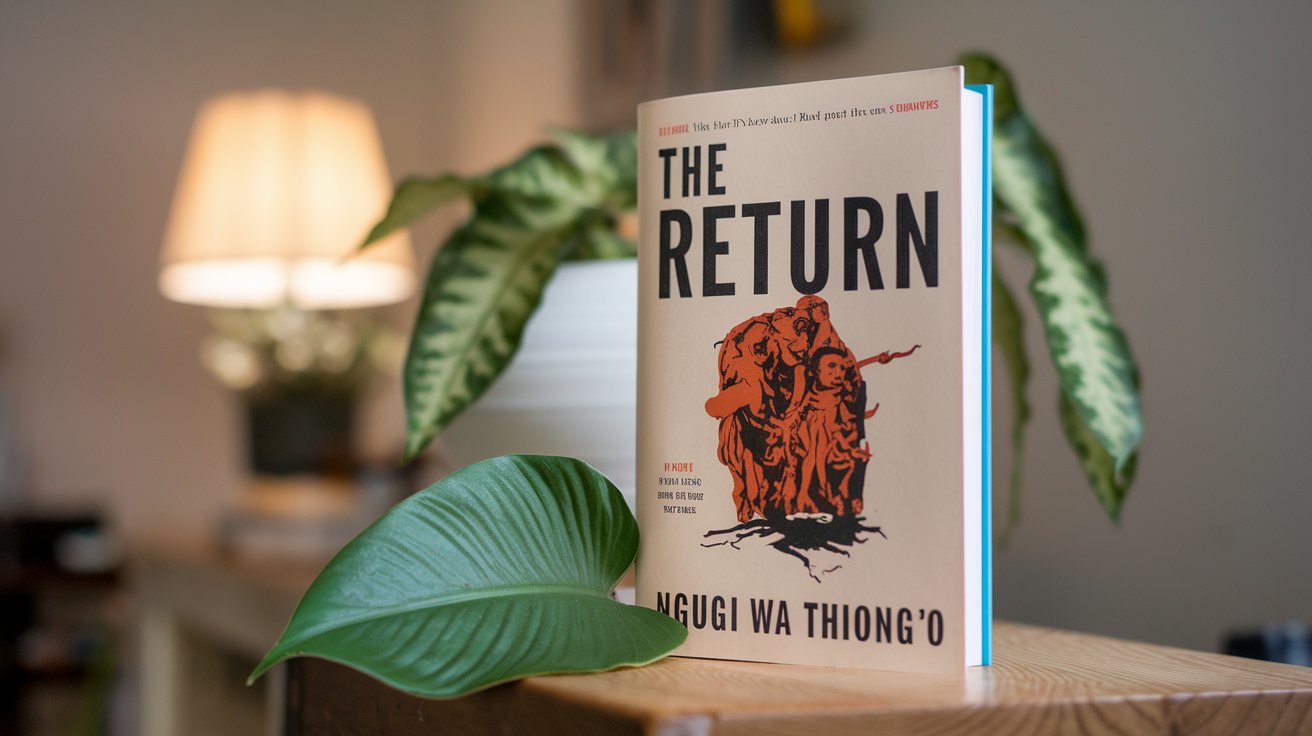
The Return by Ngugi wa Thiong’o: Complete Analysis & Guide

The Return by Ngugi wa Thiong’o is a profound short story that explores the psychological and social impact of colonial detention on an individual and his community. Published in 1975, this powerful narrative follows Kamau, a former detainee returning to his village after years of imprisonment during Kenya’s struggle for independence. The story masterfully examines themes of alienation, betrayal, and the irreversible effects of historical trauma on personal relationships. The Return Short Story Summary The Return by Ngugi wa Thiong’o summary centers on Kamau, a man returning to his village after spending years in a detention camp during Kenya’s colonial period. The story begins with Kamau’s journey home, filled with anticipation and hope of reuniting with his wife Muthoni and their community. However, his homecoming reveals a harsh reality where time has moved forward without him, relationships have changed, and his place in society has been fundamentally altered. As Kamau approaches his village, he encounters various community members who react to his presence with a mixture of recognition, fear, and uncomfortable silence. The short story builds tension through these interactions, revealing the deep psychological scars left by the colonial experience on both the individual and the community. The narrative structure mirrors Kamau’s emotional journey from hope to devastating realization. Plot Development and Structure The story unfolds through a carefully crafted narrative arc that follows Kamau’s physical and emotional journey. Ngugi wa Thiong’o employs a linear timeline that allows readers to experience Kamau’s growing awareness of his changed circumstances. The plot development reveals information gradually, building suspense as Kamau discovers the extent of his alienation from his former life. Key Story Events The central events of The Return include Kamau’s release from detention, his journey home, encounters with villagers, and the climactic discovery about his wife’s fate. Each event serves to highlight the irreversible changes that have occurred during his absence. The story’s most powerful moment comes when Kamau learns that his wife has married his former friend, symbolizing the ultimate betrayal and loss of his former identity. Characters in The Return by Ngugi wa Thiong’o The return by ngugi wa thiong’o characters are carefully developed to represent different aspects of colonial and post-colonial Kenyan society. Kamau serves as the protagonist whose experience embodies the broader trauma of political detainees. His character represents the displaced individual struggling to reconnect with a world that has moved beyond his understanding and acceptance. Muthoni, Kamau’s wife, represents the pragmatic survival instinct of those left behind during the independence struggle. Her decision to remarry reflects the harsh realities faced by women in colonial Kenya who had to adapt to survive. The characters in the story are not merely individuals but symbols of larger social and political forces that shaped Kenya during the colonial period. Kamau as Protagonist Kamau’s character development throughout the story reveals the psychological impact of political imprisonment and social displacement. His initial optimism gradually transforms into bitter realization as he confronts the changes in his community. The character serves as a vehicle for exploring themes of identity, belonging, and the personal cost of political resistance. Supporting Characters and Their Significance The supporting characters in The Return include various villagers who represent different responses to Kamau’s return. These characters collectively illustrate the community’s complex relationship with its past and the difficulty of reintegrating former detainees into society. Their reactions range from sympathy to fear, reflecting the broader social tensions of post-independence Kenya. Setting and Historical Context The return by ngugi wa thiong’o setting takes place in colonial Kenya during the period of the Mau Mau uprising and its aftermath. The rural village setting represents the traditional Kenyan community disrupted by colonial policies and the independence struggle. This setting is crucial to understanding the story’s themes, as it provides the backdrop for examining how colonialism affected intimate relationships and community structures. The setting also encompasses the broader historical context of Kenya’s fight for independence, including the use of detention camps and the impact of colonial policies on family structures. Ngugi wa Thiong’o situates the narrative within this specific historical moment to explore universal themes of displacement, trauma, and social change. Major Themes in The Return The return by ngugi wa thiong’o theme encompasses several interconnected ideas that reflect the author’s broader literary and political concerns. The primary theme revolves around alienation and the impossibility of truly returning to one’s past after experiencing significant trauma. This theme resonates with the broader African experience of colonial disruption and the challenges of post-independence identity formation. Another significant theme is betrayal, both personal and political. Kamau’s experience of betrayal by his wife and friend mirrors the broader betrayal felt by many independence fighters who sacrificed for their country only to find themselves marginalized in the new society. The story explores how political events inevitably impact personal relationships and individual identity. Alienation and Displacement The theme of alienation runs throughout The Return, manifesting in Kamau’s inability to reconnect with his former life and community. This alienation is both physical and psychological, representing the broader experience of political detainees who found themselves strangers in their own communities upon release. The theme reflects the irreversible nature of historical trauma and its impact on individual identity. Betrayal and Loss Betrayal emerges as a central theme in the story, operating on multiple levels from personal relationships to broader social and political contexts. Kamau’s betrayal by his wife and friend represents the personal cost of political engagement and the difficulty of maintaining relationships across time and traumatic experience. This theme highlights the complex moral landscape of colonial resistance. Literary Significance and Analysis The Return by Ngugi wa Thiong’o holds significant place in African literature as an example of postcolonial writing that addresses the psychological and social impact of colonialism. The story demonstrates Ngugi’s skill in using individual experience to illuminate broader historical and social issues. Its literary significance lies in its ability to make abstract political concepts concrete through personal narrative. The narrative technique employed in The Return reflects Ngugi’s commitment to accessible … Read more

Coming-of-Age Story: Complete Guide to Writing & Examples

A coming-of-age story chronicles a character’s journey from childhood to adulthood, exploring themes of identity, growth, and self-discovery. These narratives capture the universal experience of growing up and finding one’s place in the world. From classic literature to modern films, coming-of-age stories resonate deeply with audiences by reflecting our own transformative experiences. What is a Coming-of-Age Story A coming-of-age story is a literary genre that focuses on the psychological and moral growth of a protagonist from childhood to adulthood. These narratives explore the transition from innocence to experience, often featuring a young character who faces challenges that force them to mature and develop their identity. The coming-of-age meaning encompasses themes of self-discovery, independence, and the loss of childhood naivety. The genre, also known as bildungsroman in German literature, has been a cornerstone of storytelling across cultures for centuries. These stories typically feature a protagonist between the ages of 12 and 18, though some extend into early adulthood. The coming-of-age story serves as a mirror for readers’ own experiences of growth and transformation, making it one of the most relatable and enduring genres in literature and film. Key Elements of Coming-of-Age Stories Every effective coming-of-age story contains several essential elements that drive the narrative forward. The protagonist must experience a significant conflict or crisis that challenges their worldview and forces growth. This conflict often involves family dynamics, peer relationships, or societal expectations. The story must also include a mentor figure who guides the protagonist, though this guidance may come from unexpected sources. The Universal Journey of Growing Up The coming-of-age journey reflects universal experiences that transcend cultural boundaries. Whether the protagonist faces first love, loss of innocence, or the discovery of their true identity, these stories capture the essence of growing up in relatable ways. The emotional resonance of these narratives lies in their ability to remind readers of their own transformative moments and the challenges they overcame during their transition to adulthood. Coming-of-Age Story Examples in Literature Classic coming-of-age story examples include Harper Lee’s ‘To Kill a Mockingbird,’ where Scout Finch learns about prejudice and moral courage in 1930s Alabama. J.D. Salinger’s ‘The Catcher in the Rye’ follows Holden Caulfield’s struggle with alienation and his search for authenticity in post-war America. These coming-of-age books have influenced countless authors and continue to resonate with new generations of readers. Modern coming-of-age story examples include novels like ‘The Perks of Being a Wallflower’ by Stephen Chbosky and ‘Speak’ by Laurie Halse Anderson. These contemporary works address current issues while maintaining the timeless themes of identity formation and personal growth. The coming-of-age story format allows authors to explore complex social issues through the lens of a young person’s developing perspective. Harry Potter as a Coming-of-Age Story J.K. Rowling’s Harry Potter series represents one of the most successful modern coming-of-age stories. Throughout seven books, readers witness Harry’s transformation from an abused orphan to a confident young wizard capable of facing ultimate evil. The series explores themes of friendship, loss, responsibility, and the complexity of good versus evil. Harry Potter demonstrates how coming-of-age narratives can span multiple volumes while maintaining character development and thematic consistency. Traditional Coming-of-Age Examples Traditional coming-of-age story examples include works like Charles Dickens’ ‘Great Expectations’ and Mark Twain’s ‘The Adventures of Huckleberry Finn.’ These classics established many conventions of the genre, including the naive protagonist, the journey of self-discovery, and the clash between innocence and experience. These coming-of-age books continue to influence modern writers and provide foundational examples of effective character development and thematic exploration. How to Write a Coming-of-Age Story Writing a compelling coming-of-age story requires careful attention to character development and authentic voice. Begin by establishing your protagonist’s initial worldview and the specific challenges they will face. The story should focus on internal transformation rather than external action, though external events serve as catalysts for growth. Create believable conflicts that feel authentic to your character’s age and circumstances. Developing an authentic voice is crucial when learning how to write a coming-of-age narrative. Your protagonist’s voice should evolve throughout the story, reflecting their growing maturity and changing perspective. Consider the language patterns, concerns, and worldview appropriate for your character’s age and background. The coming-of-age story should feel genuine rather than forced, allowing readers to connect with the protagonist’s journey on an emotional level. Creating Authentic Characters The key to a successful coming-of-age story lies in creating authentic, relatable characters. Your protagonist should have clear motivations, fears, and desires that drive their actions throughout the narrative. Supporting characters should serve specific functions in the protagonist’s journey, whether as mentors, obstacles, or mirrors reflecting different aspects of growing up. Each character should feel like a real person with their own agenda and personality. Structuring the Narrative Arc A well-structured coming-of-age story follows a clear arc of growth and transformation. Begin with the protagonist in their initial state, introduce the inciting incident that disrupts their world, and guide them through escalating challenges that force personal growth. The climax should represent the protagonist’s greatest test, while the resolution shows their transformed perspective. This structure ensures that readers experience the full journey of coming of age alongside your character. Coming-of-Age Movies and Their Impact The film industry has produced numerous influential coming-of-age movies that have shaped popular culture and inspired new generations of storytellers. Movies like ‘The Breakfast Club,’ ‘Dead Poets Society,’ and ‘Lady Bird’ demonstrate the visual power of coming-of-age narratives. These films often explore themes of rebellion, self-discovery, and the tension between adolescent desires and adult expectations. Modern coming-of-age movies continue to evolve, addressing contemporary issues while maintaining the genre’s core themes. Films like ‘Moonlight,’ ‘Eighth Grade,’ and ‘The Way He Looks’ expand the genre’s representation and explore diverse perspectives on growing up. These movies demonstrate how coming-of-age stories can address social issues, cultural identity, and personal acceptance in powerful and meaningful ways. Coming-of-Age Story for Adults While traditionally focused on adolescents, coming-of-age story for adults narratives explore later-life transformations and personal growth. These stories often feature protagonists facing mid-life crises, career changes, … Read more

50+ Greatest Novels of All Time: Ultimate Reading Guide 2025

The greatest novels of all time represent humanity’s most profound literary achievements, spanning centuries of storytelling excellence. From Leo Tolstoy’s sweeping epics to contemporary masterpieces, these books have shaped culture, influenced generations, and continue to captivate readers worldwide. This comprehensive guide explores the most celebrated works of fiction that every literature enthusiast should experience. What Makes a Novel One of the Greatest of All Time The greatest novels of all time share distinctive qualities that elevate them beyond mere entertainment. These literary masterpieces demonstrate exceptional character development, innovative narrative techniques, and profound exploration of universal themes. Critics and readers consider factors such as cultural impact, literary innovation, enduring relevance, and the ability to transcend time and geography when determining a novel’s greatness. According to literary scholars and major publications like The New York Times and Modern Library, the most celebrated novels often challenge conventional thinking while offering deep insights into human nature. These works frequently introduce groundbreaking writing styles, explore complex social issues, and create memorable characters that resonate across generations. The measurement of greatness also includes a novel’s influence on subsequent literature and its continued relevance in contemporary discussions. Classic Literature: Timeless Masterpieces Classic literature forms the foundation of the greatest novels of all time canon, with works that have withstood decades or centuries of critical examination. These novels established many of the literary conventions we recognize today and continue to influence modern writers. From the psychological complexity of Russian literature to the social realism of Victorian novels, these classics offer timeless insights into the human condition. Anna Karenina by Leo Tolstoy Leo Tolstoy’s Anna Karenina consistently ranks among the top greatest novels ever written, praised for its intricate plot structure and psychological depth. Published in 1878, this Russian masterpiece weaves together multiple storylines while exploring themes of love, society, and moral responsibility. The novel’s complex characters and Tolstoy’s masterful prose have influenced countless writers and earned recognition from literary critics worldwide as a pinnacle of realistic fiction. Don Quixote by Miguel de Cervantes Often considered the first modern novel, Don Quixote revolutionized literature with its innovative narrative structure and satirical approach to chivalric romance. Cervantes’ 1605 masterpiece introduced the unreliable narrator concept and established many conventions of the modern novel. This Spanish classic remains relevant today, exploring themes of reality versus illusion, idealism, and the power of storytelling that continue to resonate with contemporary readers. American Literary Giants: Defining National Literature American literature has produced some of the greatest novels of all time, with works that capture the essence of the American experience while addressing universal themes. These novels often explore issues of identity, freedom, and social justice that define American culture. From the Jazz Age to the Civil Rights era, American authors have created enduring works that continue to influence global literature. The Great Gatsby by F. Scott Fitzgerald The Great Gatsby epitomizes the American Dream’s promise and disillusionment, making it one of the most studied and celebrated American novels. Fitzgerald’s 1925 masterpiece captures the excess and moral decay of the Jazz Age through its narrator Nick Carraway’s observations of the mysterious Jay Gatsby. The novel’s exploration of wealth, love, and the corruption of the American Dream continues to resonate with readers, securing its place among the greatest novels in American literature. To Kill a Mockingbird by Harper Lee Harper Lee’s To Kill a Mockingbird remains one of the most powerful explorations of racial injustice and moral courage in American literature. Published in 1960, this Pulitzer Prize-winning novel addresses complex themes of prejudice, empathy, and childhood innocence through the eyes of Scout Finch. The book’s enduring relevance in discussions of social justice and its impact on American education make it an essential entry in any greatest novels list. World Literature Masterpieces The greatest novels of all time extend far beyond Western literature, encompassing masterpieces from diverse cultures and traditions worldwide. These international works offer unique perspectives on universal human experiences while showcasing the rich literary traditions of different regions. From magical realism in Latin America to postcolonial narratives in Africa and Asia, world literature provides essential voices in the global literary canon. One Hundred Years of Solitude by Gabriel García Márquez Gabriel García Márquez’s One Hundred Years of Solitude revolutionized literature with its magical realism style and became a defining work of Latin American literature. Published in 1967, this Colombian masterpiece chronicles the multi-generational saga of the Buendía family in the fictional town of Macondo. The novel’s blend of reality and fantasy, combined with its exploration of solitude, history, and human nature, has influenced countless writers and earned its place among the greatest novels ever written. Things Fall Apart by Chinua Achebe Chinua Achebe’s Things Fall Apart stands as one of the most important postcolonial novels, offering an authentic African perspective on the collision between traditional and colonial cultures. Published in 1958, this Nigerian masterpiece tells the story of Okonkwo and his community’s encounter with European colonialism. The novel’s powerful portrayal of pre-colonial African society and its critique of cultural imperialism have made it essential reading and a cornerstone of world literature. Modern and Contemporary Masterpieces The best novels of the 21st century continue to expand the definition of great literature, with contemporary authors pushing boundaries and exploring new themes relevant to modern readers. These recent additions to the greatest novels canon address current social issues, experiment with narrative forms, and reflect the complexities of our globalized world. From climate fiction to digital age narratives, modern literature offers fresh perspectives on timeless human concerns. The Color Purple by Alice Walker Alice Walker’s The Color Purple emerged as a groundbreaking work that gave voice to African American women’s experiences while exploring themes of abuse, resilience, and empowerment. This 1982 Pulitzer Prize-winning novel tells Celie’s story through letters, creating an intimate and powerful narrative that addresses racism, sexism, and spiritual growth. The book’s impact on American literature and its continued relevance in discussions of gender and race secure its position among the greatest novels of all time. Invisible … Read more

Best Books Under 200 Pages: 25 Must-Read Short Books 2025

Finding the best books under 200 pages can transform your reading experience, especially when time is limited. These carefully selected short books deliver powerful stories, memorable characters, and profound insights without requiring weeks of commitment. Whether you’re looking for contemporary fiction, classic literature, or thought-provoking non-fiction, these short books under 200 pages prove that great literature doesn’t need excessive length to make a lasting impact. Contemporary Fiction Masterpieces Under 200 Pages Contemporary fiction offers some of the most compelling short books under 200 pages available today. These modern works tackle current themes while maintaining literary excellence. Authors like Han Kang, Samanta Schweblin, and Jacqueline Woodson have proven that brevity enhances rather than limits storytelling power. The best books under 200 pages in contemporary fiction often focus on specific moments or emotions, allowing readers to experience intense narratives without lengthy commitments. These works frequently appear on bestseller lists and win major literary awards, demonstrating that page count doesn’t determine quality or impact in modern literature. The Vegetarian by Han Kang Han Kang’s The Vegetarian stands as one of the most powerful books under 200 pages in recent years. This Man Booker Prize winner explores themes of female autonomy and societal pressure through a haunting narrative about a woman’s simple decision to stop eating meat. The novel’s compact structure intensifies its psychological impact, making every page essential to the overall experience. Fever Dream by Samanta Schweblin Samanta Schweblin’s Fever Dream exemplifies how short books under 200 pages can create lasting unease and contemplation. This Argentine novel, translated into English, presents a surreal dialogue between a dying woman and a child, exploring environmental destruction and maternal anxiety. The book’s brevity mirrors the urgency of its themes, making it one of the most impactful quick reads under 200 pages. Classic Literature in Compact Form Classic literature includes numerous best books under 200 pages that have shaped literary history. These timeless works prove that great literature transcends length, offering profound insights and beautiful prose in concise packages. From Steinbeck’s novellas to Hemingway’s short novels, these classics remain accessible to modern readers seeking quality short books under 200 pages. Many classic books under 200 pages were intentionally written as shorter works, allowing authors to explore specific themes or experiments with form. These works often serve as perfect introductions to renowned authors, providing complete reading experiences without the time investment required for longer classics. Of Mice and Men by John Steinbeck John Steinbeck’s Of Mice and Men remains one of the most beloved short books under 200 pages in American literature. This Depression-era tale of friendship and dreams explores themes of loneliness, ambition, and the American Dream through the relationship between George and Lennie. The novel’s compact structure allows Steinbeck to create a complete dramatic arc that rivals longer works in emotional impact. The Old Man and the Sea by Ernest Hemingway Ernest Hemingway’s The Old Man and the Sea demonstrates how books under 200 pages can achieve literary perfection. This Pulitzer Prize-winning novella follows an aging fisherman’s struggle with a giant marlin, using Hemingway’s signature sparse prose to explore themes of perseverance, dignity, and human nature. The work’s brevity enhances its symbolic power, making every sentence crucial to the overall meaning. Award-Winning Short Fiction Award-winning short books under 200 pages often receive recognition specifically because they achieve maximum impact with minimal length. These works demonstrate exceptional craft, with authors utilizing every page to advance plot, develop characters, or explore themes. Recent winners of major literary prizes include numerous best books under 200 pages that have redefined what short fiction can accomplish. Literary awards increasingly recognize books under 200 pages for their innovation and accessibility. These works appeal to both critics and general readers, proving that quality literature can be both profound and approachable. The concentrated nature of these books often results in more intense reading experiences than longer works. Red at the Bone by Jacqueline Woodson Jacqueline Woodson’s Red at the Bone exemplifies how short books under 200 pages can span generations while maintaining intimate focus. This National Book Award finalist explores family dynamics, class differences, and coming-of-age experiences through multiple perspectives. The novel’s structure allows readers to experience complex family relationships without overwhelming detail, making it one of the most accessible books under 200 pages for contemporary readers. Western Lane by Chetna Maroo Chetna Maroo’s Western Lane represents the new generation of best books under 200 pages that combine cultural specificity with universal themes. This debut novel explores grief, family bonds, and cultural identity through the lens of a young girl’s squash playing. The book’s compact structure mirrors the enclosed world of the squash court, creating an intense reading experience that demonstrates the power of short books under 200 pages. International Literature Under 200 Pages International literature offers exceptional books under 200 pages that provide windows into different cultures and perspectives. These works, often translated into English, demonstrate how universal themes can be explored through specific cultural lenses. Authors from various countries have contributed to the collection of best books under 200 pages available to American readers. Translated short books under 200 pages often maintain their impact across linguistic boundaries, proving that great storytelling transcends language barriers. These works frequently introduce readers to new literary traditions while remaining accessible and engaging for diverse audiences. Before the Coffee Gets Cold by Toshikazu Kawaguchi Toshikazu Kawaguchi’s Before the Coffee Gets Cold demonstrates how Japanese literature contributes to books under 200 pages with unique narrative approaches. This novel explores time travel through the metaphor of a Tokyo café, examining relationships and regret with gentle wisdom. The book’s episodic structure and philosophical depth make it one of the most distinctive short books under 200 pages in contemporary international fiction. Winter in Sokcho by Elisa Shua Dusapin Elisa Shua Dusapin’s Winter in Sokcho represents Korean-French literature among best books under 200 pages that explore cultural identity and isolation. This novel follows a young woman working in a seaside town, examining themes of displacement and belonging through precise, atmospheric prose. … Read more

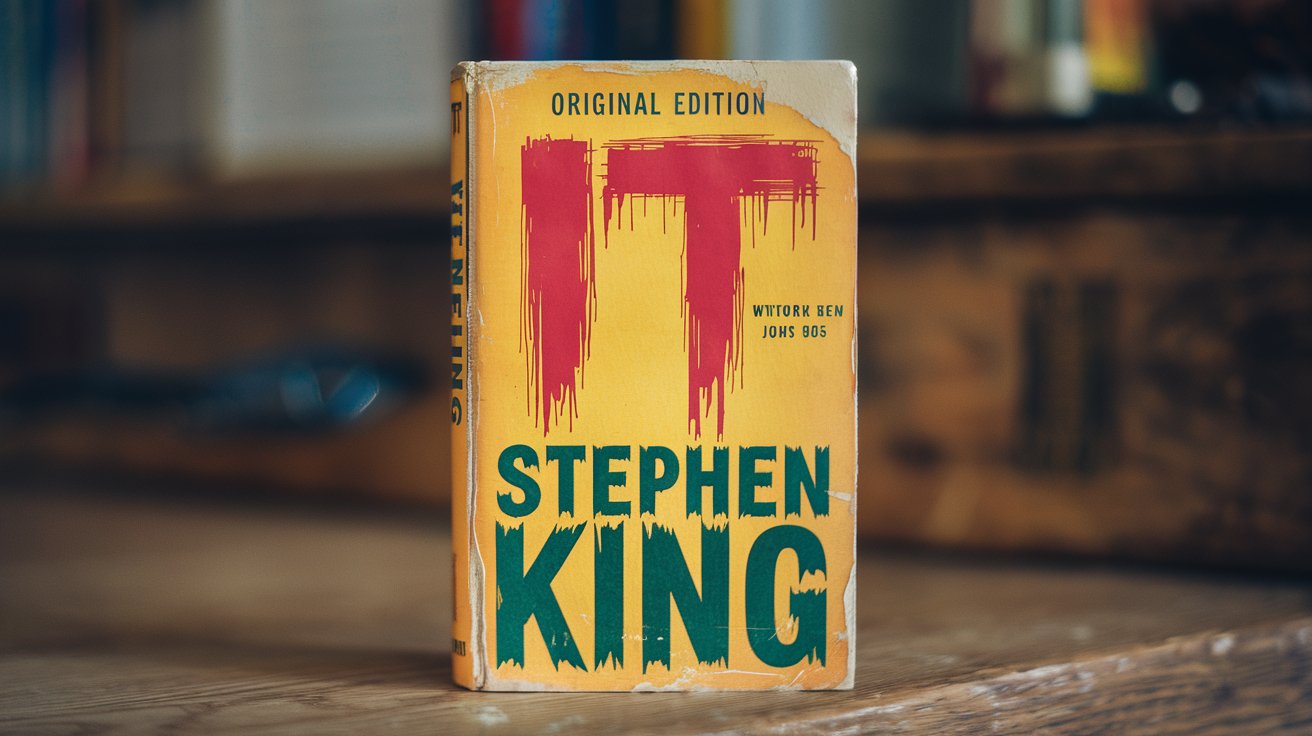
Stephen King IT Book Cover: Original Editions & Collectibles

The Stephen King IT book cover has become one of the most recognizable horror novel designs in literary history. Since its 1986 publication, multiple cover variations have emerged, from the original Doubleday hardcover to modern reprints. Understanding different IT book cover designs helps collectors identify first editions and assess their value in today’s market. Original Stephen King IT Book Cover Design The original IT book cover featured a distinctive design that immediately captured readers’ attention. The first edition hardcover, published by Doubleday in 1986, displayed bold typography with the title prominently positioned against a dark background. This Stephen King IT first edition cover became the template for subsequent releases and remains highly sought after by collectors. The original design elements included specific font choices, color schemes, and layout arrangements that distinguished it from later reprints. The first edition cover typically measures 6.5 x 9.5 inches and features dust jacket artwork that has become synonymous with King’s masterpiece. Understanding these original design characteristics helps collectors identify authentic first editions in today’s marketplace. First Edition Cover Characteristics Authentic Stephen King IT first edition covers display specific identifiers that separate them from later printings. The dust jacket features matte finish with precise color registration and specific publisher information. The spine design includes particular font sizing and publisher logo placement that changed in subsequent editions. These details are crucial for collectors seeking to verify authenticity. Publisher Information and Printing Details The original IT book cover includes Doubleday publisher information with specific copyright details and pricing. First edition covers display the correct ISBN number and price point that corresponds to 1986 publication standards. The back cover summary text and author photograph placement also serve as authentication markers for genuine first editions. How to Tell if Stephen King’s IT is First Edition Identifying whether your Stephen King IT book is a first edition requires examining several key factors beyond just the cover design. The most reliable method involves checking the copyright page for specific publisher information and print run details. First editions typically display ‘First Edition’ or similar designation along with the original publication date of 1986. The book cover condition and printing quality also provide important clues about edition status. First edition covers generally exhibit superior printing quality with sharper images and more vibrant colors compared to later mass market editions. Additionally, the dust jacket material and finishing techniques used in 1986 differ significantly from modern reprinting methods. Copyright Page Verification The copyright page provides the most definitive proof of first edition status. Look for the absence of subsequent printing dates and the presence of original publisher information. First editions typically show only the 1986 copyright date without additional printing numbers or dates that appear in later editions. Physical Cover Inspection Examining the physical cover reveals important details about edition status. First edition dust jackets use specific paper stock and printing techniques that create distinct texture and appearance. The color saturation and image clarity on original covers typically exceed those found on later reprints and mass market editions. Stephen King Book Covers Collection and Rankings Among Stephen King book covers, the IT cover consistently ranks as one of the most iconic and recognizable designs in horror literature. The cover’s impact extends beyond mere aesthetics, influencing how readers perceive the story before opening the book. When Stephen King book covers ranked by collectors and fans, IT frequently appears in top positions due to its memorable design and cultural significance. The evolution of Stephen King book covers throughout his career shows how publishers adapted to changing market preferences while maintaining the author’s brand recognition. IT’s cover design influenced subsequent King novel presentations and established visual themes that publishers continue to reference in modern releases. This influence makes the original IT cover particularly valuable to collectors and literature enthusiasts. IT Book Cover Variations and Reprints Since the original 1986 publication, numerous IT book cover variations have appeared across different publishers and markets. Paperback editions feature modified designs that adapt the original artwork to smaller formats and different target audiences. These variations include mass market paperbacks, trade paperbacks, and special anniversary editions, each with unique cover treatments. International editions present additional cover variations that reflect regional preferences and marketing strategies. European, Asian, and other international markets often feature completely different artwork while maintaining the essential story elements. Understanding these variations helps collectors appreciate the global impact of King’s work and identify rare international editions. Paperback Edition Covers Mass market paperback IT book cover designs typically feature more dramatic imagery and bold colors to attract bookstore browsers. These covers often emphasize horror elements more prominently than the original hardcover design. The paperback variations include different publisher imprints and updated artwork that reflects contemporary design trends. Anniversary and Special Edition Covers Special anniversary editions of IT feature unique cover designs that celebrate the novel’s enduring popularity. These editions often include enhanced artwork, foil stamping, or other premium finishing techniques. Anniversary covers serve both collectors and new readers, bridging the gap between original design elements and modern publishing aesthetics. Collecting Stephen King IT Book Covers The market for Stephen King IT book covers has grown significantly since the novel’s publication, with first editions commanding premium prices. Collectors focus on condition, edition status, and cover variations when building their collections. The original IT book cover remains the most sought-after version, particularly in near-mint condition with intact dust jackets. Current market values for first edition IT covers range from several hundred to thousands of dollars, depending on condition and authenticity. The collectible value continues to appreciate as the book’s cultural significance grows and original copies become increasingly scarce. Serious collectors often seek professional authentication services to verify their first edition purchases. Digital and Modern IT Cover Adaptations Modern digital platforms have created new opportunities for IT book cover design and distribution. E-book covers must work effectively at small sizes while maintaining the visual impact of the original design. Publishers have adapted the classic IT cover elements for digital formats, ensuring brand recognition across … Read more