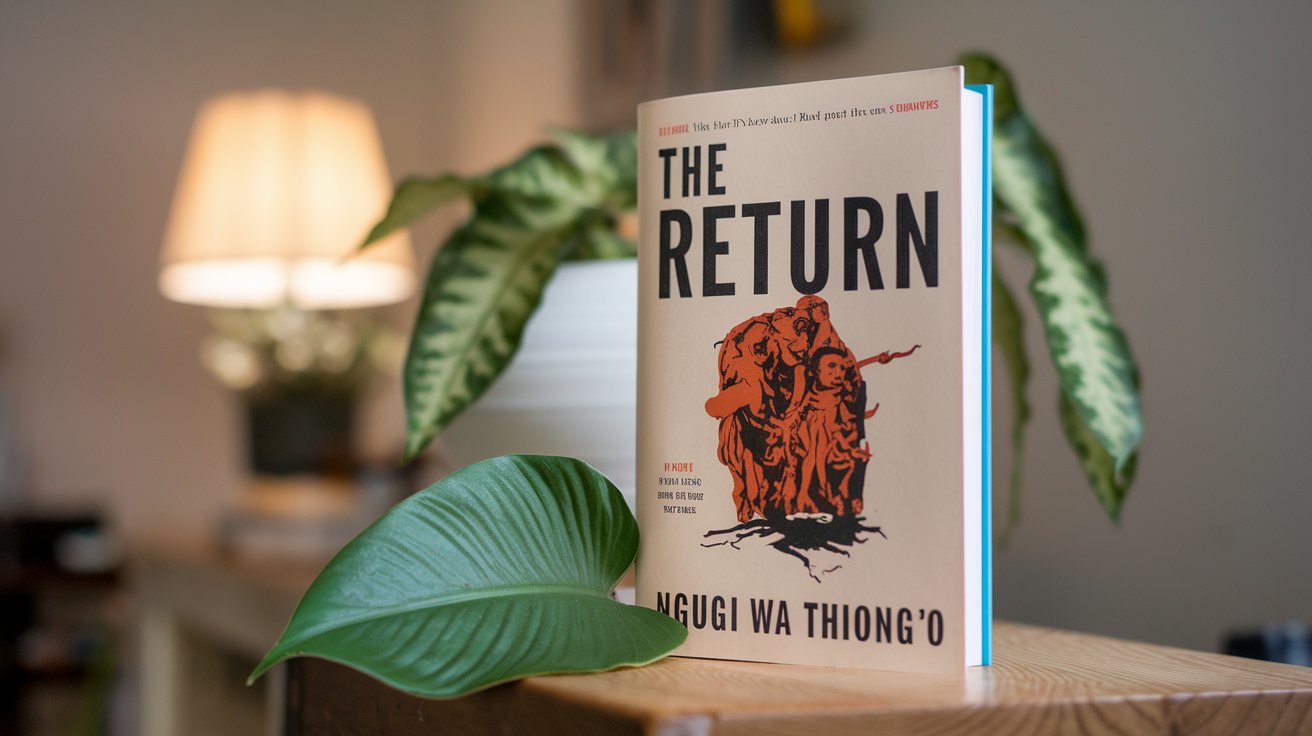
The Return by Ngugi wa Thiong’o is a profound short story that explores the psychological and social impact of colonial detention on an individual and his community. Published in 1975, this powerful narrative follows Kamau, a former detainee returning to his village after years of imprisonment during Kenya’s struggle for independence. The story masterfully examines themes of alienation, betrayal, and the irreversible effects of historical trauma on personal relationships.
The Return Short Story Summary
The Return by Ngugi wa Thiong’o summary centers on Kamau, a man returning to his village after spending years in a detention camp during Kenya’s colonial period. The story begins with Kamau’s journey home, filled with anticipation and hope of reuniting with his wife Muthoni and their community. However, his homecoming reveals a harsh reality where time has moved forward without him, relationships have changed, and his place in society has been fundamentally altered.
As Kamau approaches his village, he encounters various community members who react to his presence with a mixture of recognition, fear, and uncomfortable silence. The short story builds tension through these interactions, revealing the deep psychological scars left by the colonial experience on both the individual and the community. The narrative structure mirrors Kamau’s emotional journey from hope to devastating realization.
Plot Development and Structure
The story unfolds through a carefully crafted narrative arc that follows Kamau’s physical and emotional journey. Ngugi wa Thiong’o employs a linear timeline that allows readers to experience Kamau’s growing awareness of his changed circumstances. The plot development reveals information gradually, building suspense as Kamau discovers the extent of his alienation from his former life.
Key Story Events
The central events of The Return include Kamau’s release from detention, his journey home, encounters with villagers, and the climactic discovery about his wife’s fate. Each event serves to highlight the irreversible changes that have occurred during his absence. The story’s most powerful moment comes when Kamau learns that his wife has married his former friend, symbolizing the ultimate betrayal and loss of his former identity.
Characters in The Return by Ngugi wa Thiong’o
The return by ngugi wa thiong’o characters are carefully developed to represent different aspects of colonial and post-colonial Kenyan society. Kamau serves as the protagonist whose experience embodies the broader trauma of political detainees. His character represents the displaced individual struggling to reconnect with a world that has moved beyond his understanding and acceptance.
Muthoni, Kamau’s wife, represents the pragmatic survival instinct of those left behind during the independence struggle. Her decision to remarry reflects the harsh realities faced by women in colonial Kenya who had to adapt to survive. The characters in the story are not merely individuals but symbols of larger social and political forces that shaped Kenya during the colonial period.
Kamau as Protagonist
Kamau’s character development throughout the story reveals the psychological impact of political imprisonment and social displacement. His initial optimism gradually transforms into bitter realization as he confronts the changes in his community. The character serves as a vehicle for exploring themes of identity, belonging, and the personal cost of political resistance.
Supporting Characters and Their Significance
The supporting characters in The Return include various villagers who represent different responses to Kamau’s return. These characters collectively illustrate the community’s complex relationship with its past and the difficulty of reintegrating former detainees into society. Their reactions range from sympathy to fear, reflecting the broader social tensions of post-independence Kenya.
Setting and Historical Context
The return by ngugi wa thiong’o setting takes place in colonial Kenya during the period of the Mau Mau uprising and its aftermath. The rural village setting represents the traditional Kenyan community disrupted by colonial policies and the independence struggle. This setting is crucial to understanding the story’s themes, as it provides the backdrop for examining how colonialism affected intimate relationships and community structures.
The setting also encompasses the broader historical context of Kenya’s fight for independence, including the use of detention camps and the impact of colonial policies on family structures. Ngugi wa Thiong’o situates the narrative within this specific historical moment to explore universal themes of displacement, trauma, and social change.
Major Themes in The Return
The return by ngugi wa thiong’o theme encompasses several interconnected ideas that reflect the author’s broader literary and political concerns. The primary theme revolves around alienation and the impossibility of truly returning to one’s past after experiencing significant trauma. This theme resonates with the broader African experience of colonial disruption and the challenges of post-independence identity formation.
Another significant theme is betrayal, both personal and political. Kamau’s experience of betrayal by his wife and friend mirrors the broader betrayal felt by many independence fighters who sacrificed for their country only to find themselves marginalized in the new society. The story explores how political events inevitably impact personal relationships and individual identity.
Alienation and Displacement
The theme of alienation runs throughout The Return, manifesting in Kamau’s inability to reconnect with his former life and community. This alienation is both physical and psychological, representing the broader experience of political detainees who found themselves strangers in their own communities upon release. The theme reflects the irreversible nature of historical trauma and its impact on individual identity.
Betrayal and Loss
Betrayal emerges as a central theme in the story, operating on multiple levels from personal relationships to broader social and political contexts. Kamau’s betrayal by his wife and friend represents the personal cost of political engagement and the difficulty of maintaining relationships across time and traumatic experience. This theme highlights the complex moral landscape of colonial resistance.
Literary Significance and Analysis
The Return by Ngugi wa Thiong’o holds significant place in African literature as an example of postcolonial writing that addresses the psychological and social impact of colonialism. The story demonstrates Ngugi’s skill in using individual experience to illuminate broader historical and social issues. Its literary significance lies in its ability to make abstract political concepts concrete through personal narrative.
The narrative technique employed in The Return reflects Ngugi’s commitment to accessible storytelling that nonetheless addresses complex themes. The story’s structure and language choices demonstrate the author’s ability to work within traditional narrative forms while addressing distinctly African experiences and concerns.
Critical Reception and Academic Analysis
Academic criticism of The Return has focused on its representation of colonial trauma and its place within Ngugi wa Thiong’o’s broader literary project. Scholars have praised the story’s psychological realism and its effective use of symbolism to explore themes of displacement and identity. The work is frequently studied in courses on African literature and postcolonial studies.
Critics have noted how the story effectively captures the individual human cost of political resistance while avoiding simplistic political messaging. The narrative’s focus on personal relationships and psychological development has been recognized as particularly effective in conveying the complex legacy of colonialism in Kenya.
Symbolism and Literary Devices
Ngugi wa Thiong’o employs various literary devices in The Return to enhance its thematic impact and emotional resonance. The journey motif serves as both literal plot device and metaphorical representation of Kamau’s psychological journey from hope to despair. This symbolism reinforces the story’s themes of displacement and the impossibility of returning to one’s past.
The use of natural imagery and rural settings provides symbolic contrast to the disruption caused by colonial policies. The village represents traditional life and values, while Kamau’s detention experience symbolizes the intrusion of colonial power into intimate aspects of African life. These literary devices work together to create a rich symbolic framework that supports the story’s themes.
Historical Context and Mau Mau Emergency
Understanding The Return requires knowledge of the Mau Mau Emergency (1952-1960), during which thousands of Kenyans were detained without trial in British colonial camps. This historical context provides the backdrop for Kamau’s experience and helps explain the community’s complex reaction to his return. The story serves as a testament to this often-overlooked aspect of Kenya’s independence struggle.
The historical setting also illuminates the broader themes of the story, particularly the impact of colonial policies on family structures and community relationships. The Return by Ngugi wa Thiong’o thus functions as both literary work and historical document, preserving important aspects of Kenya’s colonial experience for future generations.
Contemporary Relevance and Universal Themes
While rooted in specific historical circumstances, The Return addresses universal themes that remain relevant in contemporary discussions of trauma, displacement, and social reintegration. The story’s exploration of how communities respond to returning members who have experienced significant trauma resonates with modern issues including veteran reintegration, refugee experiences, and post-conflict society building.
The psychological insights presented in the story continue to inform understanding of how individuals and communities process collective trauma and historical injustice. These universal themes help explain the story’s enduring appeal and its continued relevance in academic and general reading contexts.
Related video about the return by ngugi wa thiong’o
This video complements the article information with a practical visual demonstration.
Frequently Asked Questions
What is the meaning of The Return by Ngugi wa Thiong’o?
The Return explores the psychological and social impact of colonial detention on both individuals and communities. The story examines themes of alienation, betrayal, and the impossibility of returning to one’s past after experiencing significant trauma. It serves as a metaphor for the broader African experience of colonial disruption and the challenges of post-independence identity formation.
What is the short story The Return about?
The Return follows Kamau, a former political detainee returning to his village after years of imprisonment during Kenya’s colonial period. The story chronicles his journey home and his gradual realization that his wife has remarried and his community has moved on without him. It explores the personal cost of political resistance and the difficulty of reintegrating into society after traumatic experiences.
What is the theme of the story The Return?
The primary themes include alienation and displacement, betrayal on personal and political levels, and the irreversible impact of historical trauma on individual identity. The story also explores how political events inevitably affect personal relationships and examines the complex moral landscape of colonial resistance and its aftermath.
Who first recognized Kamau when he returned?
The story reveals that various villagers recognize Kamau upon his return, but their reactions are mixed, ranging from uncomfortable silence to fear. The recognition process is gradual and complex, reflecting the community’s difficulty in processing his return and their own guilt or discomfort about how circumstances have changed during his absence.
What is the setting of The Return by Ngugi wa Thiong’o?
The story is set in a rural Kenyan village during the colonial period, specifically around the time of the Mau Mau uprising and its aftermath. The setting represents traditional Kenyan community structures disrupted by colonial policies and provides the backdrop for examining how colonialism affected intimate relationships and community dynamics.
What makes The Return significant in African literature?
The Return is significant as an example of postcolonial writing that effectively addresses the psychological and social impact of colonialism through personal narrative. It demonstrates Ngugi’s skill in using individual experience to illuminate broader historical issues while maintaining accessibility and emotional resonance. The story serves as both literary work and historical document of Kenya’s colonial experience.
| Literary Element | Key Details | Significance |
|---|---|---|
| Main Theme | Alienation and impossibility of return | Reflects broader colonial trauma experience |
| Setting | Colonial Kenya during Mau Mau period | Provides historical context for themes |
| Protagonist | Kamau, former political detainee | Represents displaced individuals |
| Literary Impact | Postcolonial African literature | Documents colonial experience |